- Calendars, diaries 2019
- Christmas
- Gifts
- In 3 days
- Items with full colour print - Be Creative
- Office
- Textile
- Work clothes and tools
- Electro, flash drives
- Household
- Leisure
- Promotional bags
- Printed matter and presentation materials
-
Beverages
Luxury tea and coffee
- Advertising sweets
- Healthy Lifestyle
- Special events
- Pre deti
- Top Brands
- Advertising food
- Novinky
Maloobchod nerealizujeme
Maloobchodný predaj nerealizujeme a preto si pri objednávkach do 60€ účtujeme manipulačný poplatok.
Zvýhodnená cena dopravy
Dopravu realizujeme pomocou kuriéra. Cena dopravy sa odvíja od hmotnosti balíka. Viď tabuľka.
máme pre vás darček
Získajte darček vo forme poukážky do nákupného centra Avion, použitelný na úhradu Vášho nákupu.
-
- Beverages
- Luxury tea and coffee
Luxury tea and coffee
Ecological certificates
This filter is made up of ecological certificates given by the product manufacturer.
List of ecological certificates given by the manufacturer:
- FSC
- OEKO-TEX®
- Better Cotton
- Green Button
- Prevented Ocean Plastic
- Green Passport
- GRS
- ecovadis
- GOTS
- SMETA
- ISO 14001:2015
- ISO 9001:2015
- REACH
- MSDS
- RoHS
- RED
- Food Safety
- OEKO-TEX® STeP
- OEKO-TEX® MADE IN GREEN
- RCS 100
- RCS
- OCS
- PVC free
- PFC free
- V-label
- OEKO-TEX® STANDARD 100
- SGS TESTED
- BSCI
- Fairtrade
- Green Brands
- Aware™
- Fair Wear
- Peta-Approved Vegan
- Sedex
Ecological parameters
This filter is made of ecological parameters that our products contain from the manufacturer.
- Recycled material: includes all products that are made from recycled material such as: GRS - certified recycled polyester, material from recycled PET bottles, recycled cotton, recycled leather, recycled cardboard, recycled steel, recycled PET, recycled glass, recycled ABS, recycled denim , recycled HIPS plastic, recycled aluminum, recycled cardboard, recycled nylon, recycled paper, recycled plastic, recycled polyacrylic, recycled polycarbonate (PC), recycled polyurethane (PU), recycled TPE, recycled TPU, recycled material, RPET - recycled polyester, RPP - recycled polypropylene
- Produkty s transparentnou stopou co2:Výrobca týchto produktov sa zaväzuje k transparentnosti v oblasti výpočtu uhlíkovej stopy produktov, ktoré vyrába a predáva. Výpočty emisií CO2 sú založené na životnom cykle produktu, od ťažby surovín až po koniec životnosti. Emisie sú podrobne rozdelené podľa fáz, ako sú výroba, balenie, doprava, energetické využitie a likvidácia. Výpočty sú v súlade so štandardmi ISO 14067:2018 a ISO 14071:2014 a boli overené spoločnosťou Bureau Veritas. Uhlíková stopa sa môže meniť na základe nových informácií a výskumov.
- Products with water saving during production: Products from this collection show a reduction in water consumption compared to a standard product. The main factor behind this reduction is the use of recycled materials. Water is used the most during wet processes (such as dyeing), in the use of chemicals, electricity generation, fuels (for transport and heat generation) and in agriculture. Products from the AWARE™ collection use the AWARE™ tracer tracking technology, which guarantees the authenticity of recycled materials and a confirmed reduction in water consumption. This verification is made possible by physical tracking devices along with blockchain technology.
Bestsellers Luxury tea and coffee
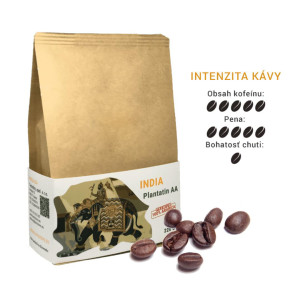
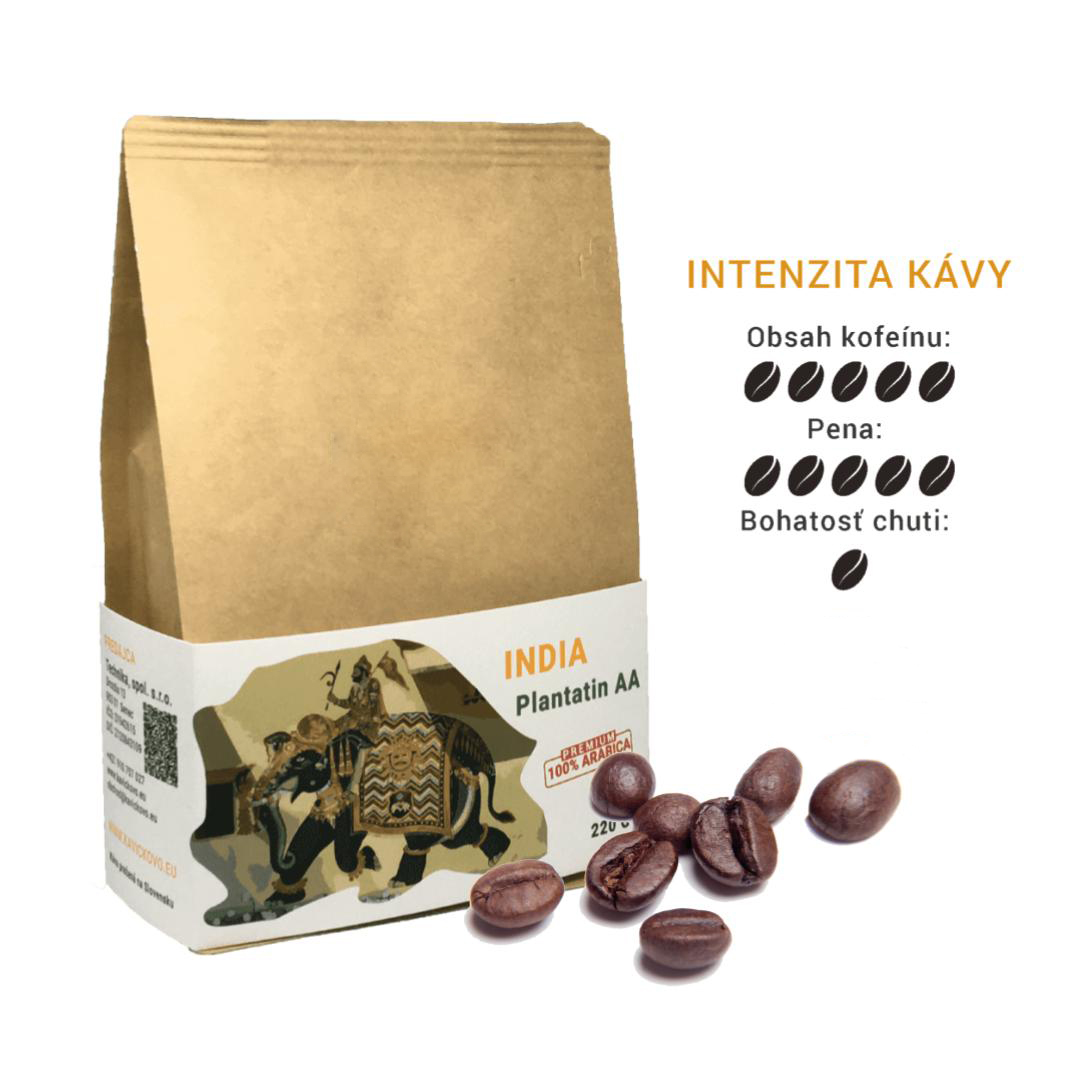
Coffee beans India plantatin AA

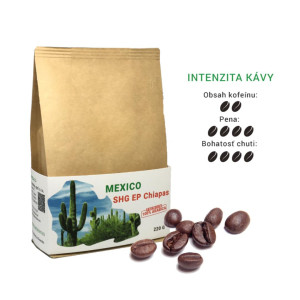
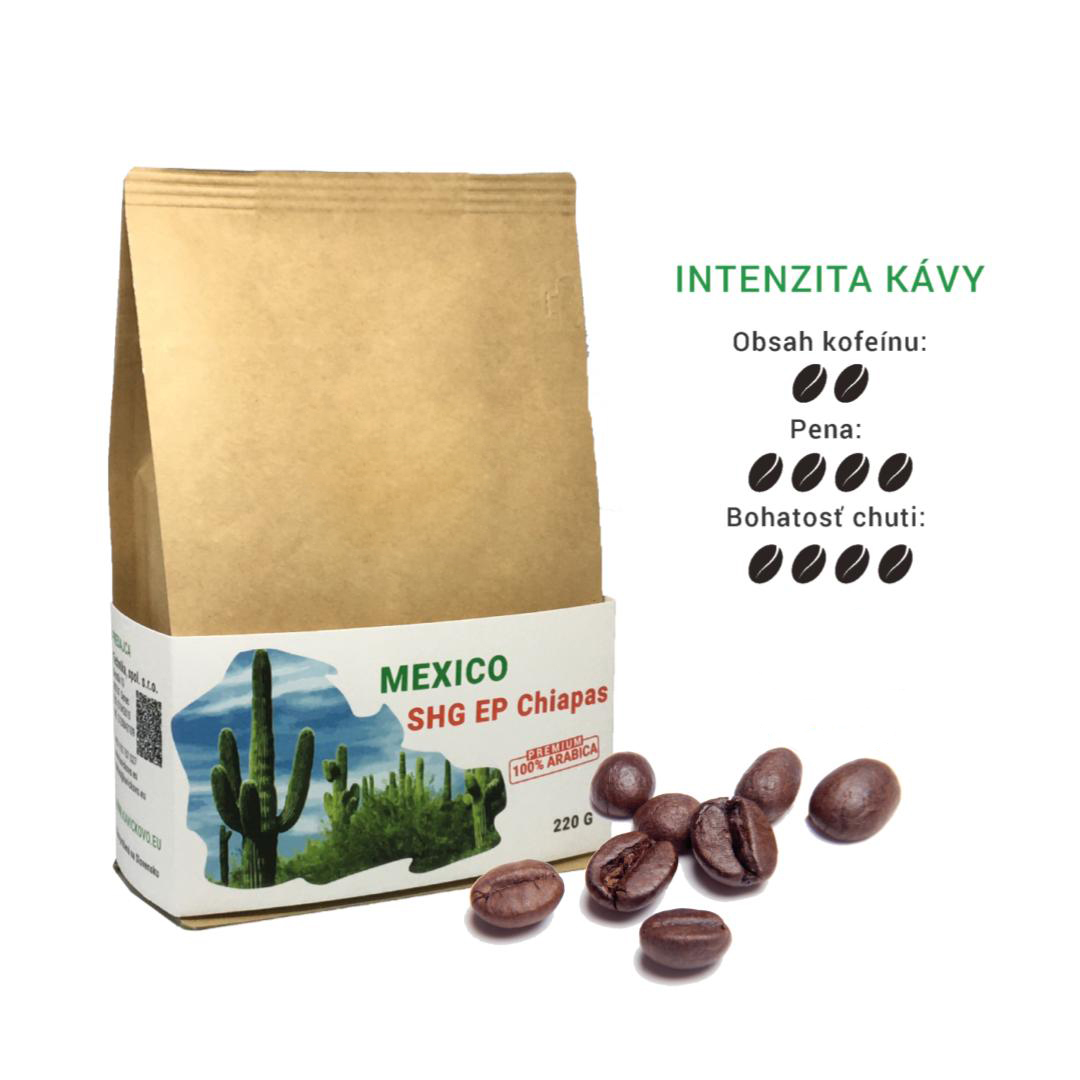
Coffee beans Mexico SHG EP Chiapas
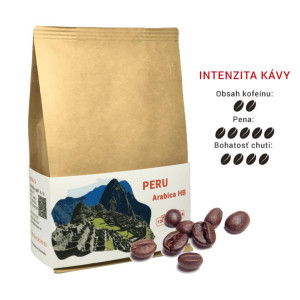
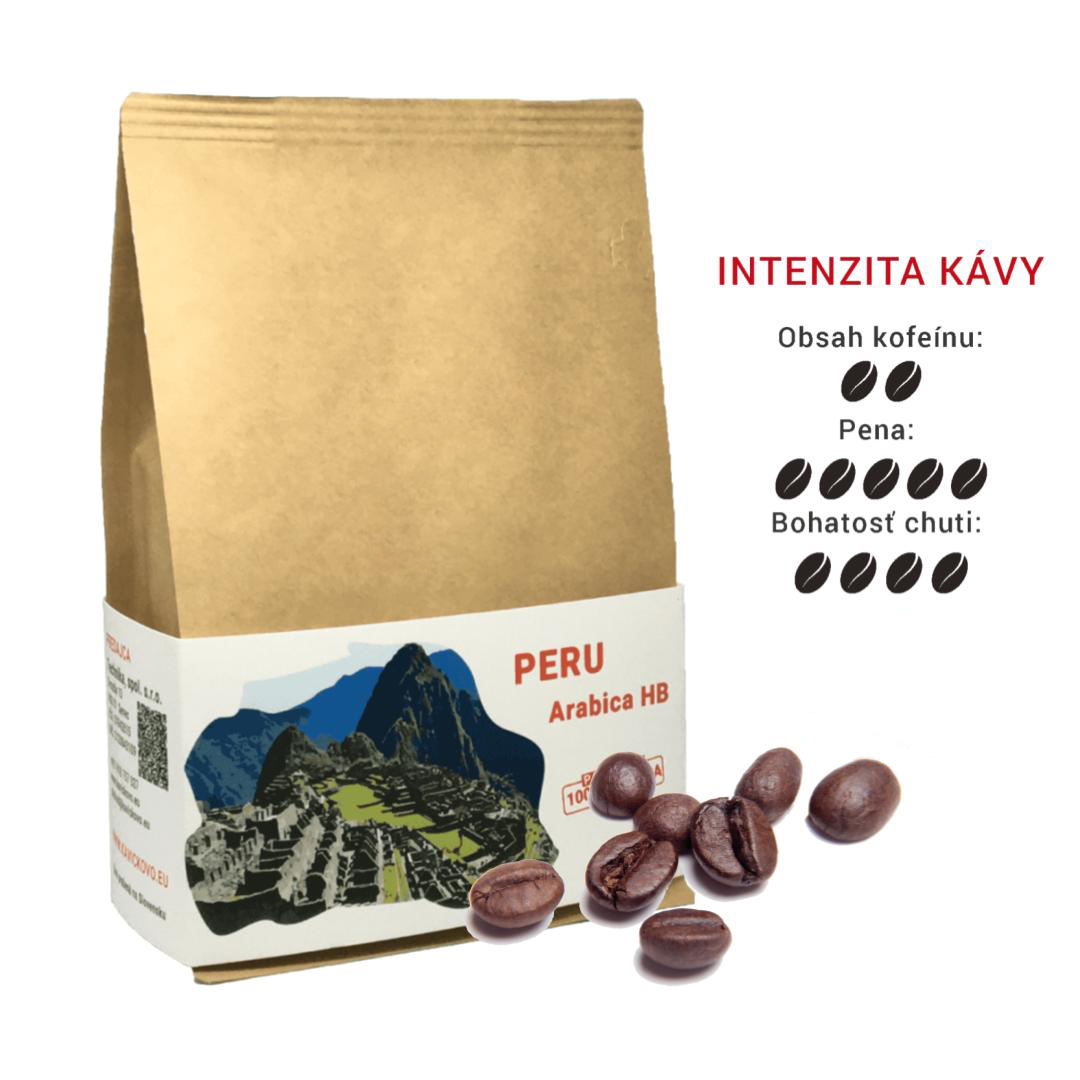
Coffee beans Peru arabica HB
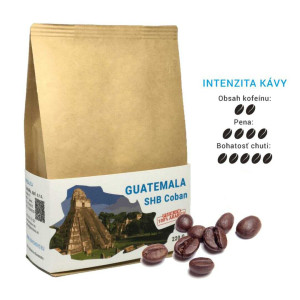
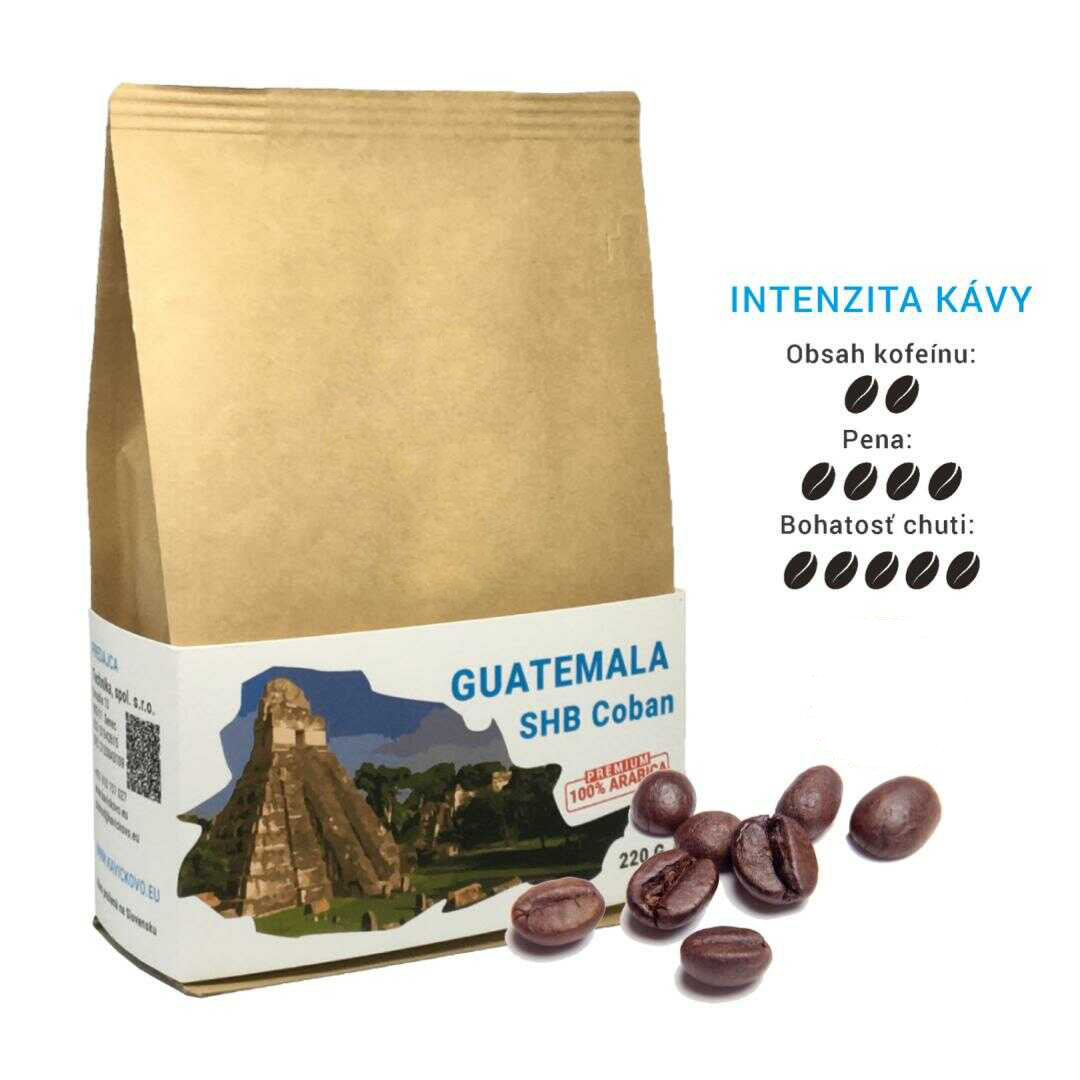
Coffee beans Guatemala SHB Coban
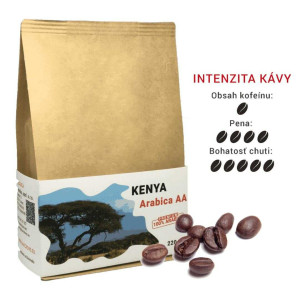
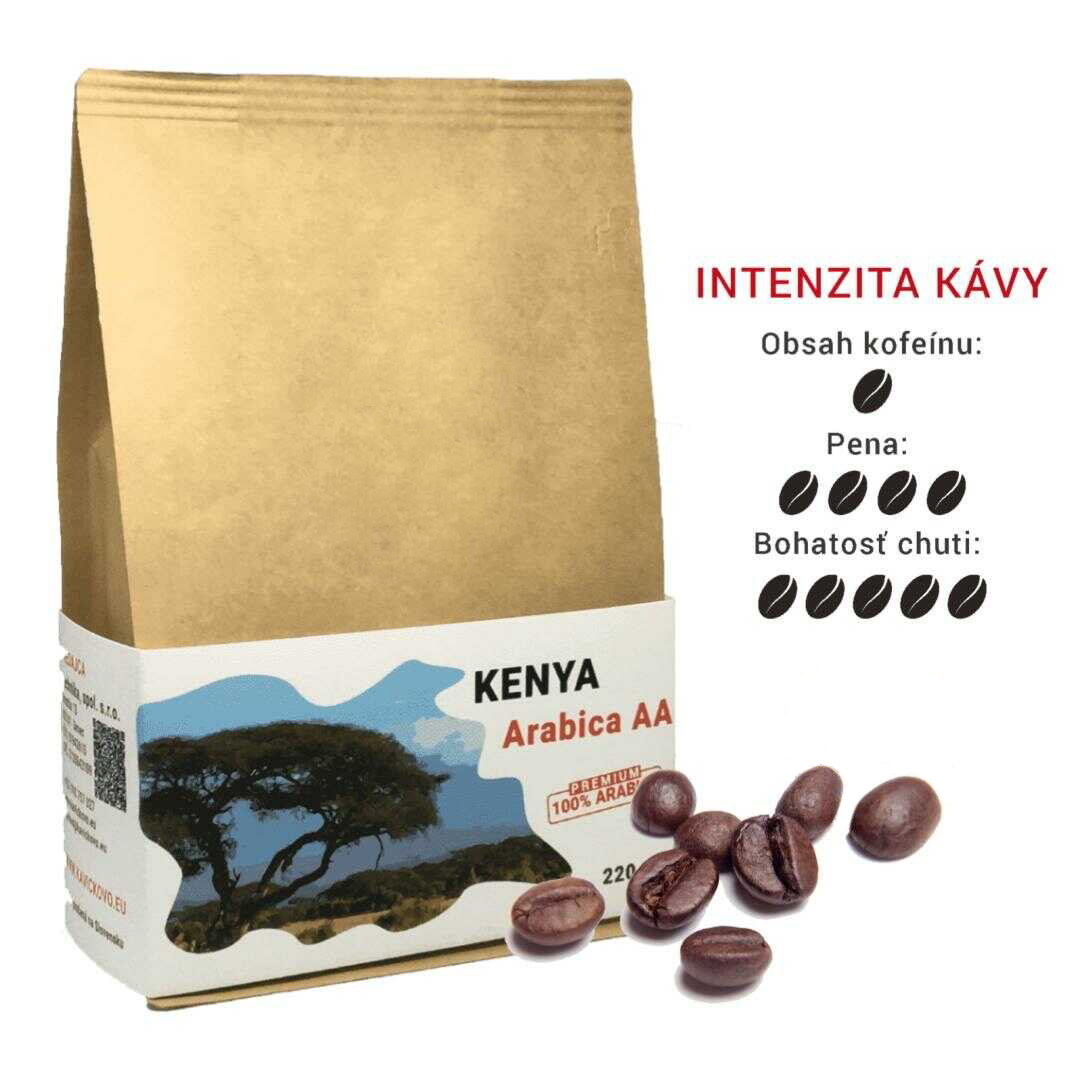
Coffee beans Kenya Arabica
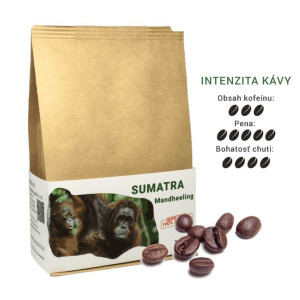
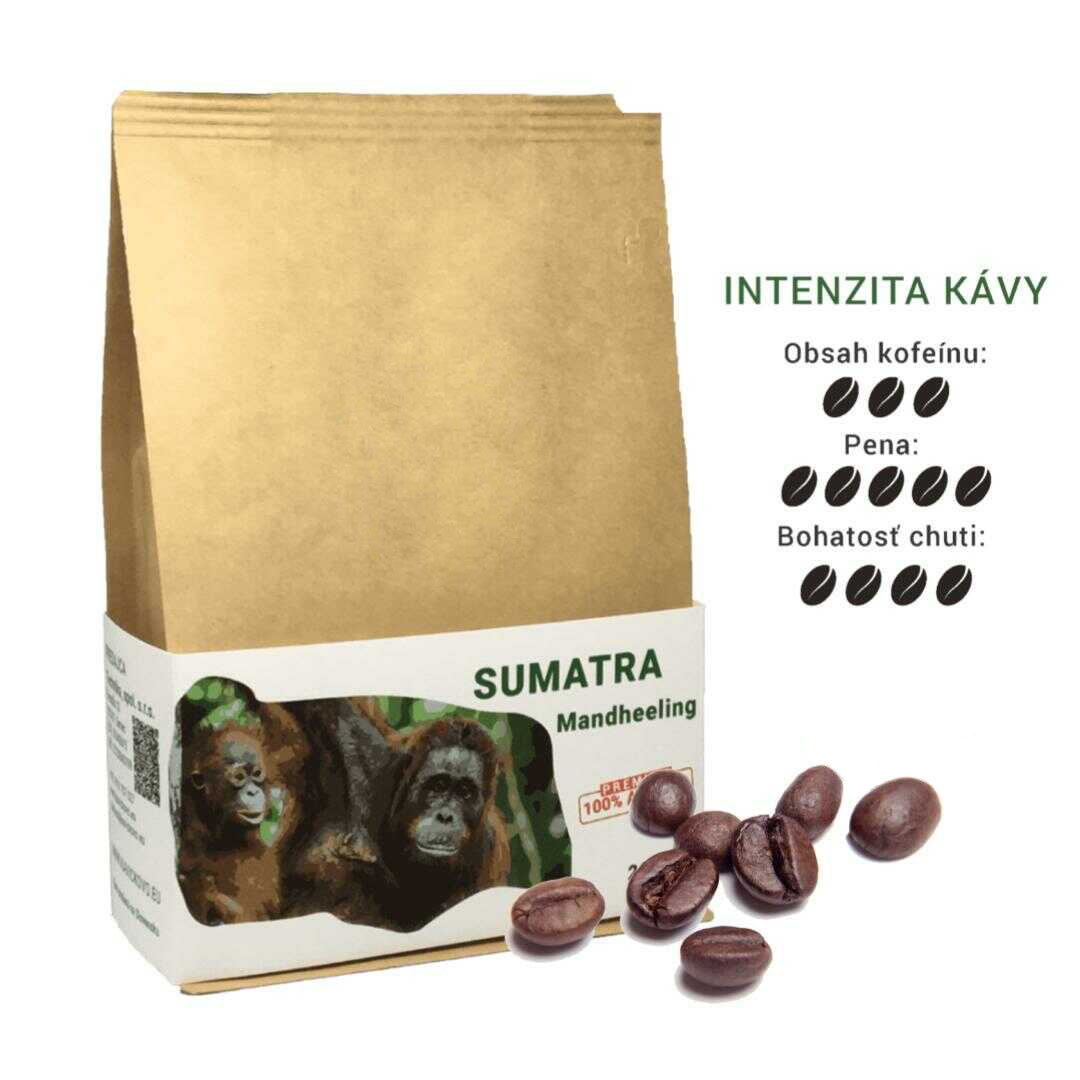
Coffee beans Sumatra Mandheeling
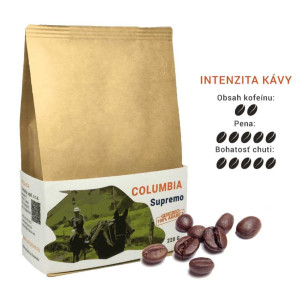
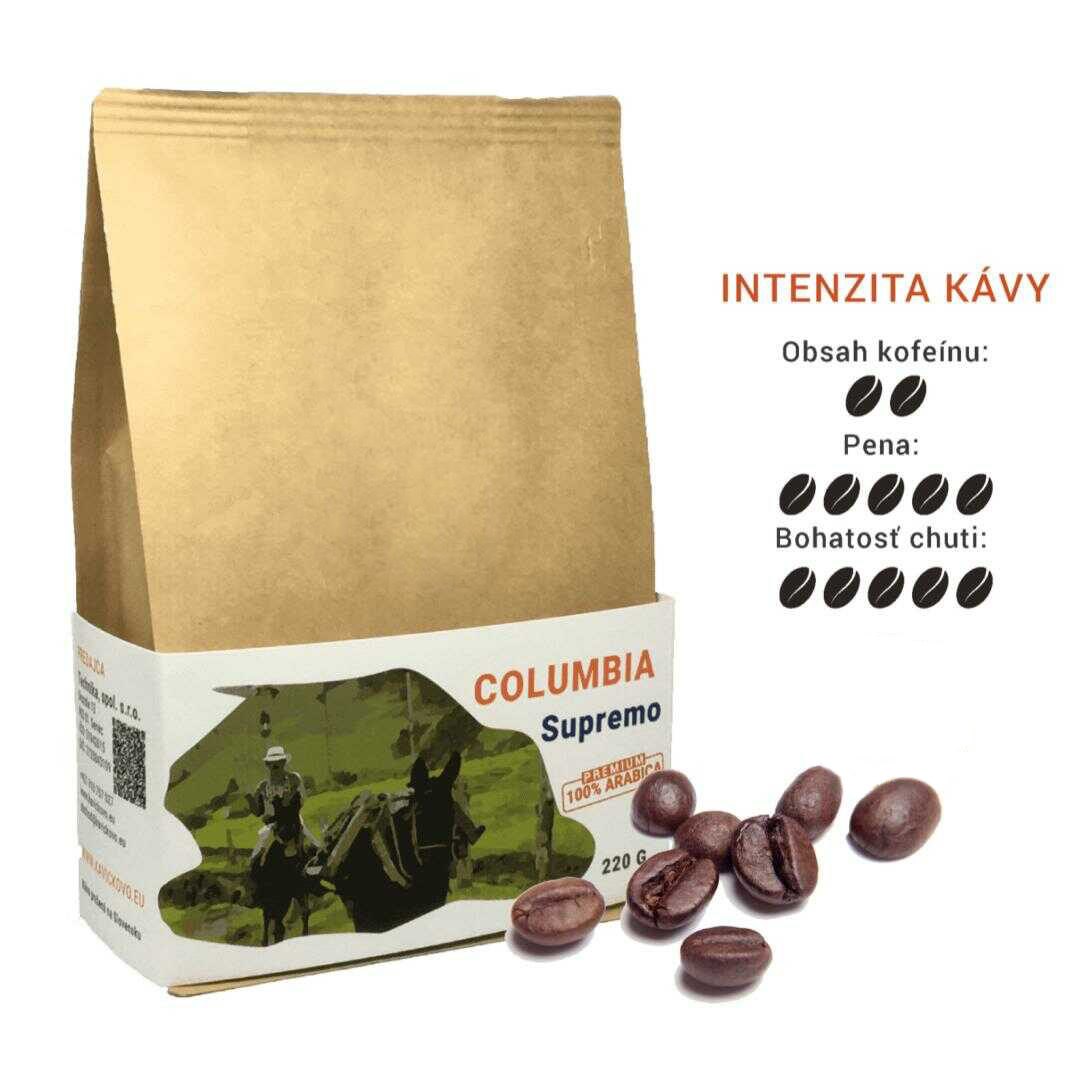
Coffee beans Columbia Supremo
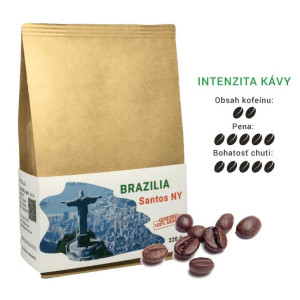
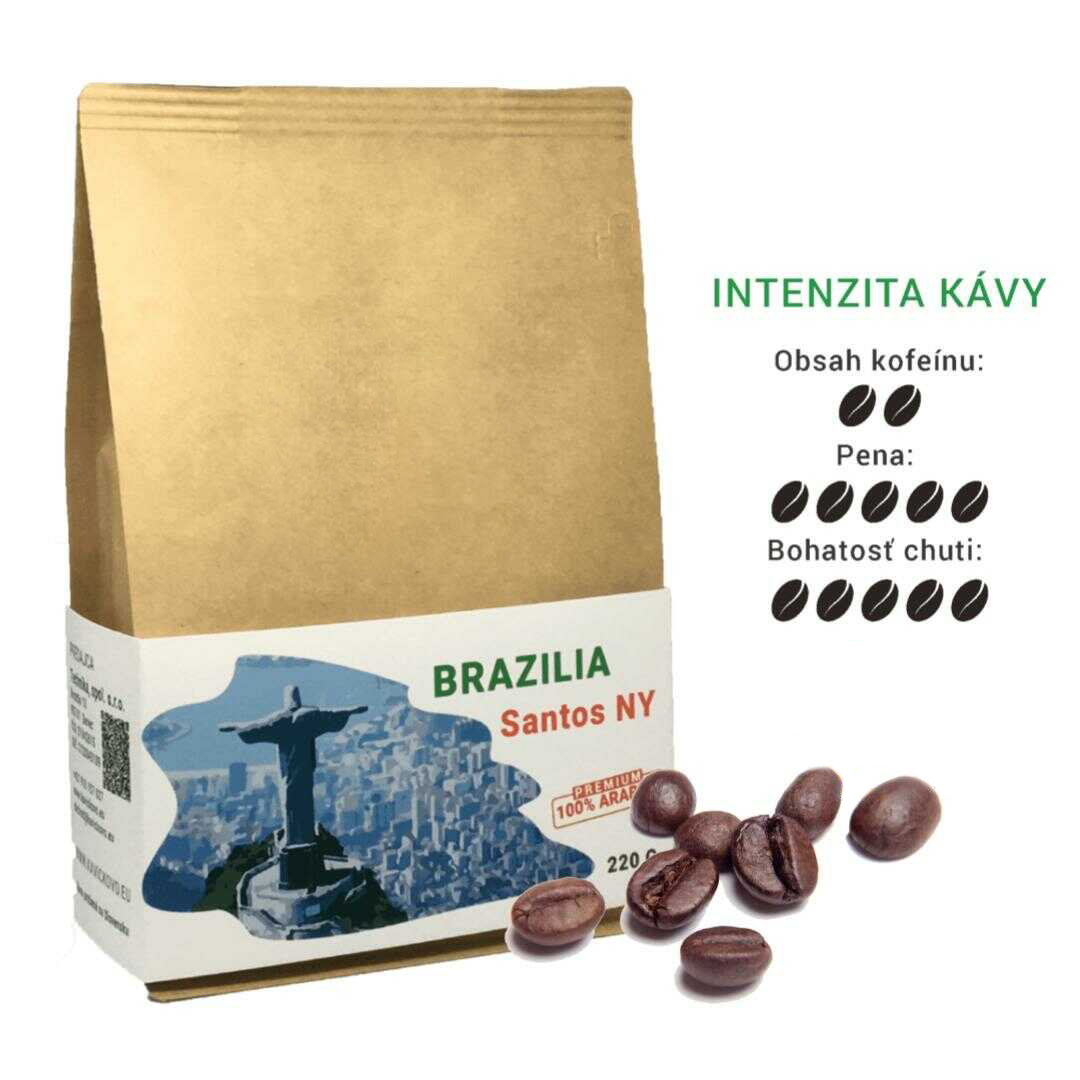
Coffee beans Brazilia Santos NY
Secrets of Ayurveda tea gift set
The Best Tea Gift Set
Coffee beans El Salvador SHG EP – Elbobollon
Coffee beans Nicaragua SHG
Namaste coffee lovers. India is known for its spices and their distinctive taste in food. India coffee has a slightly sweet taste with moderate acidity and sometimes a spicy aroma.
Type of coffee: 100% arabica
Roasting: medium
Packaging: 50g / 220g / 1kg
India is the seventh largest coffee growing power in the world. Their coffee consists of homogeneous, large and ripe beans from the best plantations in the southern regions. The monsoon climate and particularly fertile soil predestined this country for the cultivation of high-quality Arabica. Indian coffee is one of the most common, offering an interesting smoothness and stimulating intensity. At the same time, India is the only country where all coffee is grown in the shade. The taste is usually mild, not too sour and has an exotic full flavor and delicate aroma.
Flavor profile
India Plantation AA consists of large, carefully selected and high quality beans. This arabica comes from the best Indian cultivations and can be described as subdued, with the right body and interesting taste. It is characterized by a full, complex and almost perfect flavor profile. It is nutty, sweet and delicate. The nutty aroma together with the mild sweetness create a harmonious combination. Its slightly spicy aftertaste can be a little surprising. It has an excellent body and leaves a long-lasting, slightly sweet aftertaste.
Cultivation, processing
The history and origin of coffee in India dates back to around 1600. The story goes that the Indian pilgrim Baba Budan went on a pilgrimage to Mecca during which he smuggled seven coffee beans from Yemen. The Arabs carefully protected their coffee, so it was not easy to get the seeds. After reaching home, he planted them in Chandragiri.
The way India grows coffee is unique - under a canopy of different varieties of trees that provide shade and nutritious soil. At the same time, there are pepper plants and bushes among the coffee plants, which have a significant influence on the ripening and final taste of the coffee. The Plantation designation refers to the highest grade of washed Arabica grown in India. It has the AA rating thanks to the highest quality and sufficiently large fruits. Coffee trees grow here at an altitude of 1,000-1,500 meters above sea level.
All coffee in India is harvested by hand without the use of machines. Unripe beans can remain on the plants and continue to ripen, requiring pickers to return to the plant four or five times during the two-month picking season. After harvesting, the coffee cherries are sorted, washed and popped. This process must be quick to avoid fermentation. The crushed cherries are then left to ferment naturally for approx. 12 to 18 hours. They are mechanically washed (the slime is removed) and soaked under water to improve the color. Then they are dried in the sun, on terraces lined with bricks. Although this process takes much longer than mechanical drying, growers believe that slower drying actually enhances the flavor of the coffee.
Coffee is mostly grown by farmers who are grouped into cooperatives. When drying, they most often use "wet-processed" - wet drying, it depends on the specific region. The coffee cherries are first swollen, the outer layer of the skin is removed and the bean with the mucilage is allowed to ferment in water for several days, then it is washed. After reaching the optimal humidity, it travels for export. Although this practice is relatively new in Mexican Chiapas coffee, it requires considerable skill and produces some of the highest quality coffees in the world.
How to prepare it
India Plantation AA is a great aromatic coffee suitable for various brewing methods. Its high caffeine content will stimulate your senses in all circumstances. We recommend it especially for pressure coffee machines (Moka kettles). Its excellent taste is perfectly extracted by a French Press and a coffee machine.
Color: various colors, brown, dark brown
This coffee will draw you into the Mexican coffee trees, whose aroma will give you temperament and energy for the whole day. Try it out!
Type of coffee: 100% arabica
Roasting: medium
Packaging: 50g / 220g / 1kg
Chiapas Mexican Coffee is a premium Mexican coffee grown in the southern state of Chiapas and features a light, smooth flavor and rich, fresh acidity with a light to medium body. Chiapas benefits from the mixing of the climate of the Pacific Ocean in the west and the Atlantic Ocean in the east. In combination with the slopes of the Sierra Madre mountain range, which divides the state and reaches up to 1,600 meters above sea level near the border with Guatemala, countless microclimates are created where they grow significantly premium and high-quality fair trade coffee.
Flavor profile
Mexico SHG EP Chiapas coffee has a balanced body and is characterized by fruity and nutty notes. The acidity is clear but not too strong and the aroma is soft, fresh with a pleasant finish. At the same time, it has orange undertones related to the region of cultivation, with hints of caramel, cocoa and earthiness. The taste of walnuts resonates together with the other elements long after the drink is finished. During professional training, more experienced coffee drinkers can feel the taste of dry white wine. The caffeine content is lower, thanks to which one can enjoy it even in the later hours.
Cultivation, processing
Mexico as a whole is the eighth largest producer of coffee in the world, with the majority of production grown in the states of Chiapas and Oaxaca. Coffee first came to Mexico in the late 17th century when it was grown on farms owned by Europeans, mostly native Mexican workers. The volcanoes and hot tropical climate provide fertile soil that improves the supply of nutrients to the coffee plants and helps develop their resulting flavor. Quality Chiapas coffee is said to rival the finer Guatemalan coffees in complexity and strength.
In addition to the perfect taste, this type of coffee can also boast the title of Strictly High Grown and European Process. SHG refers to coffee grown at high altitudes, giving it a denser and more vibrant flavor profile than coffee grown at lower altitudes. Higher altitudes provide an environment suitable for Arabica coffee, the climate tends to be cooler with less direct sunlight and plenty of humidity. This causes the coffee fruit to ripen slowly, allowing more time to develop depth and sweetness, as well as many of the other desirable qualities we look for in great specialty coffees. The European Process refers to manual sorting that removes all insufficient grains.
Coffee is mostly grown by farmers who are grouped into cooperatives. When drying, they most often use "wet-processed" - wet drying, it depends on the specific region. The coffee cherries are first swollen, the outer layer of the skin is removed and the bean with the mucilage is allowed to ferment in water for several days, then it is washed. After reaching the optimal humidity, it travels for export. Although this practice is relatively new in Mexican Chiapas coffee, it requires considerable skill and produces some of the highest quality coffees in the world.
How to prepare it
You can achieve the best results of Mexico SHG EP Chiapas coffee with an espresso coffee machine. Immediate fine grinding ensures the gradual release of fruity tones. Maximum richness of taste and solid soluble cream will be a positive start to every new day. A spoonful of cream or sugar will help to soften it.
Color: various colors, brown, dark brown
You can recognize notes of vanilla and nuts in a cup of Peru coffee. You will be attracted by the rich foam of this coffee at first glance. Who will show his tongue to lick her?
Type of coffee: 100% arabica
Roasting: medium
Packaging: 50g / 220g / 1kg
Peru is the ninth largest producer of coffee in the world, accounting for 2% of world coffee production. It is also one of the leading producers of organic and Fair Trade coffees. The exceptional altitude of the Andes and plenty of forest shade provide an ideal environment for growing Arabica coffee. Coffee acquires its flavor through standard processing and drying in the sun. Coffee grown by local farmers is characterized by a light body and low acidity. The aroma of real, artisanal coffee will delight you with its intensity.
Flavor profile
Coffee Peru arabica HB is an excellent choice for lovers of aromatic and refreshing drinks. The sweetness is beautifully combined with accents of nuts - almonds, vanilla and butter. The whole is complemented by caramel details, which, together with the complex aromas of fruit and bitter milk chocolate, delight with their taste. Thanks to the citrus notes, it is good to reach for it on hot days. It leaves a velvety mouthfeel and a slightly dry finish. It will give you strength in any work and stimulate the mind. The caffeine content is not too high, so it is possible to enjoy more cups.
Cultivation, processing
Coffee was first brought to Peru in the 18th century, exports began about a hundred years later. A big problem with growing high-quality coffee in Peru is infrastructure. This means that the farmer has to transport the harvested coffee for a long time before processing. That is why many small producers in the country are members of the cooperative.
Peru HB coffee is grown in shady places at high altitudes to produce a denser and more complex tasting bean thanks to the slow ripening process. In addition, growers have made great efforts to produce high-quality grains using only sustainable agricultural practices. The HB (hard bean) symbol indicates that the coffee has been grown at an altitude of approximately 1,200 meters, making the beans harder and denser than beans of the same quality.
The wet coffee processing method requires transporting the harvested cherries to the mill and thus using water, which is difficult to obtain in some coffee growing areas. In the first stage, the Peru HB coffee cherries go into a centrifuge, which mechanically peels the kernels from the cherries. The cherry then lands in a cauldron where the fermentation process removes the remaining pulp. The next stage of treatment is rinsing to remove impurities from the grains. This is followed by drying the beans until they reach 11-14% moisture.. Coffee processed "wet" has a milder taste, but more intense acidity than coffee processed dry. There is also a strong culture of organic and Fair trade production in Peru. Fair trade certification can only apply to coffee produced by a cooperative. Farmers protect water resources for their communities and sequester carbon by managing a forest-like system.
How to prepare it
Coffee experts recommend 3 ways to best enjoy Peru arabica HB. The first method is using a dropper. It aerates every drop of coffee and fine-tunes its caramel tones. In addition to the classic drip machine, it is also possible to use a pour over. Even coffee shops do not have to worry that this type of coffee is not suitable for espresso machines. On the contrary. The high pressure that the machine develops ensures a flawless taste.
Color: various colors, brown, dark brown
Even the ancient Mayans could enjoy coffee, which grows in the mountainous and volcano-filled Guatemala. Its characteristic nutty taste with a citrus-floral finish will soothe you at any time of the day.
Type of coffee: 100% arabica
Roasting: medium
Packaging: 50g / 220g / 1kg
Guatemala produces some of the best and most distinctive coffees in the world. The country's unique coffee-producing regions have earned a positive and well-known reputation in the industry. Coffee is the main export item for Guatemala, which contributes to the growing economic status of the country, and it is also the ninth largest exporter of coffee in the world. Coffee beans grown in this country have typical taste notes suggesting a full body and a rich chocolate-cocoa flavor and caramel-like sweetness.
Flavor profile
One of the few areas where coffee is grown in Guatemala is the Coban region. It is located in the middle of the northern part of the country, which shows typical Guatemalan coffee characteristics. These include excellent body, usually full to medium, and light fruity acidity. Guatemala SHB Coban is a balanced coffee with a floral aroma, in which notes of nuts, fine chocolate and citrus play. Behind this excellent coffee are high agricultural standards, fertile volcanic soil and the harvesting process.
Cultivation, processing
Coffee was brought to Guatemala in the middle of the 17th century as an ornamental plant. However, coffee production did not really take off until the 1860s, when the country's natural dye industry was overtaken by synthetic products and a new focus was needed to save the economy. The climate in Guatemala is one of the most diverse in the world and therefore favorable for growing coffee trees. It has up to 7 main growing areas, each with its own set of unique growing conditions and microclimates. However, the Coban region is specific in that there is almost always a fine mist, it is constantly drizzling or pouring, and the sun rarely appears during the day, which also affects the cultivation and the very taste of coffee. Harvesting takes place from the end of December to the middle of March. Thanks to cultivation at an altitude of 1,300 to 1,500 meters above sea level, this coffee received the label SHB - strictly hard bean. Thus, the ripening time of the fruits is longer, which ensures a firmer core and a better flavor profile. Because of the extremely humid environment, farmers have to make the most of their efforts when processing coffee cherries. They can absorb more moisture, so they are more prone to leavening. They are picked in up to 10 passes within 14 days to pick only the ripest cherries. Due to these conditions and the difficult terrain, drying is usually mechanical to avoid spoilage of the crop.
How to prepare it
Guatemalan coffee has a bright acidity, natural sweetness and subtle flavors that are best brought out when brewed. French Press - due to constant contact with hot water, natural sweetness and unique flavors are evenly extracted. Pour over - if you are going to try this unusual tool, use finely ground coffee and a paper filter. In combination with Guatemalan coffee, it creates a rich, full cup, emphasizing delicate fruit and floral notes. In case of emergency, you can also use a classic coffee dripper. In the summer months or for iced coffee lovers, Cold Brew is offered - it emphasizes lighter acidity and sweetness, due to a longer brewing time. The last cup of coffee is full, strongly sweet and moderately acidic.
The price is shown without the sleeve.
Color: various colors, brown, dark brown
Let yourself be tempted by the citrus notes of coffee with a sweet hint, as our brothers from the Czech Republic say. Kenya coffee is for those who like to remember summer and its hot days.
Type of coffee: 100% arabica
Roasting: medium
Packaging: 50g / 220g / 1kg
When it comes to ranking the best coffees in the world, there are only a few major coffee growing regions that regularly come out on top. One of the most famous is definitely Kenya. Coffee experts consider Kenyan beans to be the elite of the elite because of their full body and smooth, complex flavors. Kenyan coffee beans highlight uniquely sweet, syrupy and full notes. Arabica is mainly grown in this area.
Flavor profile
A good Kenya Arabica is a coffee with a rich body, high acidity, intense taste and pleasant aroma. It is sharp but at the same time soft and usually very well balanced. It has sweet notes, some consumers smell spices, dried tomatoes, which complete the notes of black currants. The aftertaste of Kenyan coffee can be quite dry with accents of lemon or wine. These coffees have a very complex flavor and are usually medium-bodied. The caffeine is not at a high level, so it won't hurt even in the late afternoon. The cream is rich and delicate.
Cultivation, processing
Coffee cultivation arrived in Kenya thanks to the British in the early 20th century. Today, it is the 16th largest grower in the world with annual yields in the order of 100 million tons. Of this, approximately 95% is intended for export, as Kenyans themselves prefer to drink tea for a long time. Estimates suggest that there are 150,000 coffee farmers in Kenya and up to six million Kenyans find direct or indirect employment in the coffee industry.
Coffee beans in Kenya grow at altitudes ranging from 1,400 to 2,000 meters above sea level, and coffee trees grow in rich volcanic soil. Different varieties of coffee have been bred here since the 1950s. Thanks to this, the most modern coffee laboratories in the world have been developed here, where they are still working on new varieties of coffee plants. When drying fruits, wet processing is preferred here. It is a method by which green unroasted coffee beans are removed from the outer covering (called parchment). This type of processing usually occurs when the coffee fruit is still wet or just after harvesting. Wet-processed coffee tends to taste cleaner after brewing, while bringing out the citrus-fruit flavor. After washing, the cherry is left to ferment for up to 36 hours to remove the slimy, sweet coating. Then they are dried in the sun and go to the grinding stage, where the fruits are removed from the dry skin. After grinding, the coffee beans are sorted. The bigger, thicker, healthier and denser the cherry is, the better it tastes.
How to prepare it
A specialty in the cuisine of the Kenyan coast is the way of cooking Kahawa Chungu (Bitter Coffee). Coffee is brewed in brass kettles on charcoal stoves. If you cannot afford such a cooking process at home, we have a few other types. If you want to enjoy the true taste of Kenya Arabica coffee, we recommend using a French Press or Aeropress to prepare it, as it is better to brew it than to drip it.
Color: various colors, brown, dark brown
Not only is Sumatra the world's sixth largest island and chimpanzees jumping on your heads, but it also grows some seriously energizing coffee. After all, taste it and you will find several interesting taste notes.
Type of coffee: 100% arabica
Roasting: medium
Packaging: 50g / 220g / 1kg
Sumatra coffee from Indonesia has one of the most interesting origins of all coffees. Beginning in the 18th century, when the popularity of Sumatran coffee grew significantly, the unique shape and shade of these beans helped European traders recognize authentic Sumatran coffee. The taste of this coffee is often described as earthy and intense with a herbal aroma that is unique to this region and not found in any South American or African coffees.
Flavor profile
Mandheling has plenty of acidity to give it vibrancy and often has notes of sweet chocolate and licorice. The coffee's flavor develops well thanks to the rich volcanic soil and tropical climate despite not being grown at a significant altitude. All this results in a full and exotic taste similar to caramel accents. It has a full body like all premium coffees, often described as syrupy. It also gets its typical taste thanks to the unusual method of drying Giling Basah - wet peeling.
Cultivation, processing
While most coffees are named after the growing region or country they come from, Mandheling coffee is named after the people of Mandheling who traditionally grew and processed the coffee beans. It got its name thanks to a language mistake between a local resident and a Japanese soldier. Thus, Mandheling is a type of coffee grown in Pandang, a small island part of Indonesia, near the coffee district of Sumatra. Coffee plants were imported to this island at the beginning of the 19th century in an attempt to break the monopoly in coffee cultivation of other countries. It grows at an altitude of 700 to 1,500 meters above sea level. Coffee is often roasted to a dark or medium-dark color to enhance the coffee's sweet taste and earthy qualities. Green Sumatra coffee beans often have a unique asymmetrical shape and a deep aquamarine hue. Coffee connoisseurs would agree that their earthy, pungent and deep character is a by-product of the botanical diversity of these beans. Although the cherries are dry-processed, a method is used that involves washing the dried cherry skins in hot water, thus providing a more uniform appearance to the coffee beans and likely contributing to a milder taste. At the same time, the fruits have a much higher moisture content thanks to the non-standard drying method.
How to prepare it
Sumatra coffee is often sought after by those who are sensitive to acidic coffee. To preserve the coffee oils that contribute to the taste, we recommend using a mesh filter instead of a fine filter. This is of course a personal preference. Alternatively, you can stick to the ratio of 17 grams of water to 1 gram of coffee, combine the amount according to your taste.
Color: various colors, brown, dark brown
Columbia coffee promises you an exotic taste. The whiff of orange and bergamot on your tongue will make you want to make more and more and more coffee.
Type of coffee: 100% arabica
Roasting: medium
Packaging: 50g / 220g / 1kg
As the third largest producer of coffee in the world, Colombia is home to a large number of coffee growing regions, producing up to 810,000 metric tons annually. Supremo coffee is very distinguishable. If you want to be sure of the quality, you should start with a visual inspection, the beans of this coffee have a typical cinnamon color. In addition, the size of the fruit should be relatively larger than common varieties of coffee, which is basically referred to in its name Supremo. This coffee is mild and has an excellent balance between its body and acidity. The glass has a nice fruity-floral finish, and after finishing it, you will want to prepare another cup.
Flavor profile
This coffee is ideal for people who prefer a rich but balanced flavor profile. Sweet chocolate flavors are very prominent at first, later fruit notes come that can touch caramel, apple and red fruits such as berries. Colombian aromas are sometimes a bit citrusy with hints of spice. The cream is thick and delicious. Whether you make it day or night, it's likely to become your favorite.
Cultivation, processing
Colombian Supremo coffee was brought to the mountains of Colombia by Jesuit missionaries in the form of Arabica coffee trees. These trees prefer higher altitudes and lower temperatures. This allowed them to quickly adapt to the diverse terrain of the country, the volcanic mountains also helped, thanks to which the coffee trees bloom beautifully. During growth, the fruit goes through a slow ripening cycle, resulting in a very unique coffee taste. After harvesting, the fruits are bagged and immediately sent to the pulping plant. After this process, the coffee is fermented to bring out its characteristic properties. Twenty-four hours later, the coffee beans are washed with water to remove all impurities. This crucial step distinguishes authentic Colombian coffee from Brazilian coffee. After washing, the coffee beans are left in the sun until they are completely dry and have the ideal moisture ratio. Thanks to specific processes and careful attention to detail, seeds and trees that were once imported to South America have evolved into an excellent coffee, known today as Colombian Supremo coffee. Already at first glance different and unique.
How to prepare it
Columbia Supremo is excellent served regardless of which cooking method you prefer. But even so, it is an ideal choice for espesso machines or aeropress when the delicate taste and captivating aroma stand out even more. If you're new to buying freshly roasted coffee and don't know where to start, or if you're a coffee veteran, this selection will more than satisfy your coffee cravings.
Color: various colors, brown, dark brown
In our region, one of the most sought-after and popular coffees is Brazil, and we offer it to you in the pleasant tones of chocolate and nuts that are characteristic of it.
Type of coffee: 100% arabica
Roasting: medium
Packaging: 50g / 220g / 1kg
The largest producer of coffee in the world is Brazil. This is also where Brazilia Santos NY comes from, which is one of the most popular types of coffee in our region, which we enjoy with pleasure. This 100% Arabica has low acidity. Thanks to the natural drying of the grains in the cherry and in the sun, it acquires its pleasant taste in tones of nuts and chocolate.
Flavor profile
The smoothness of this Brazilian coffee is almost perfectly balanced. Slow drying adds sweetness to the fruits, which is why they taste like milk chocolate, nuts and, in some varieties, sweet citrus. Because it is pure Arabica, its crema is thin and even. If you are one of those people who like to indulge in coffee several times a day, it may be the right choice for you due to its medium-full intensity.
Cultivation, processing
The coffee plants and the entire processing process offered by typical Brazilia Santos NY coffee beans can be found in Sao Paulo. One would expect the name Santos to refer to the place of cultivation. However, the opposite is true. Santos is the port from where these coffee beans are exported to the whole world. They are grown at an average altitude of approximately 1,000 meters above sea level. Each local smallholder farmer has their own cultivation and processing practices, so the taste of coffee from different farms may vary slightly. There is no standardized procedure. Dry drying is the basis. Which means that the coffee beans remain in their own fruit - in the cherry, they dry naturally, slowly and in the sun. Thanks to this process, the sweet taste penetrates to the fruits themselves. The coffee beans are surrounded by a sweet gelatinous substance, which in the end greatly helps the taste of the coffee. For large farms, this type of coffee is not a priority, so only a certain amount is grown in Brasilia Santos NY. In general, Brazil, as the largest producer of coffee in the world, is more oriented towards lower grade Arabica. But with their suitable climatic conditions and historical knowledge about coffee, they can produce different types of coffee with a specific taste and aroma.
How to prepare it
The reason why this type of coffee is so sought after in our country is that it has a great mild taste. Not everyone likes the strong taste of coffee. That's why you can surprise with it even a person who doesn't drink coffee every day. Its balance in taste is the basis for all its enthusiasts. You can make a great espresso from it: 7 grams of ground coffee for 0.04 l of water. In case you want to enjoy it with a comfortable breakfast like this: 17 grams of coffee per 0.25 l of water. Brazilia Santos NY is also suitable for those who like to add milk or sugar to their coffee.
The price is shown without the sleeve.
Color: various colors, brown, dark brown
Pearl gift package
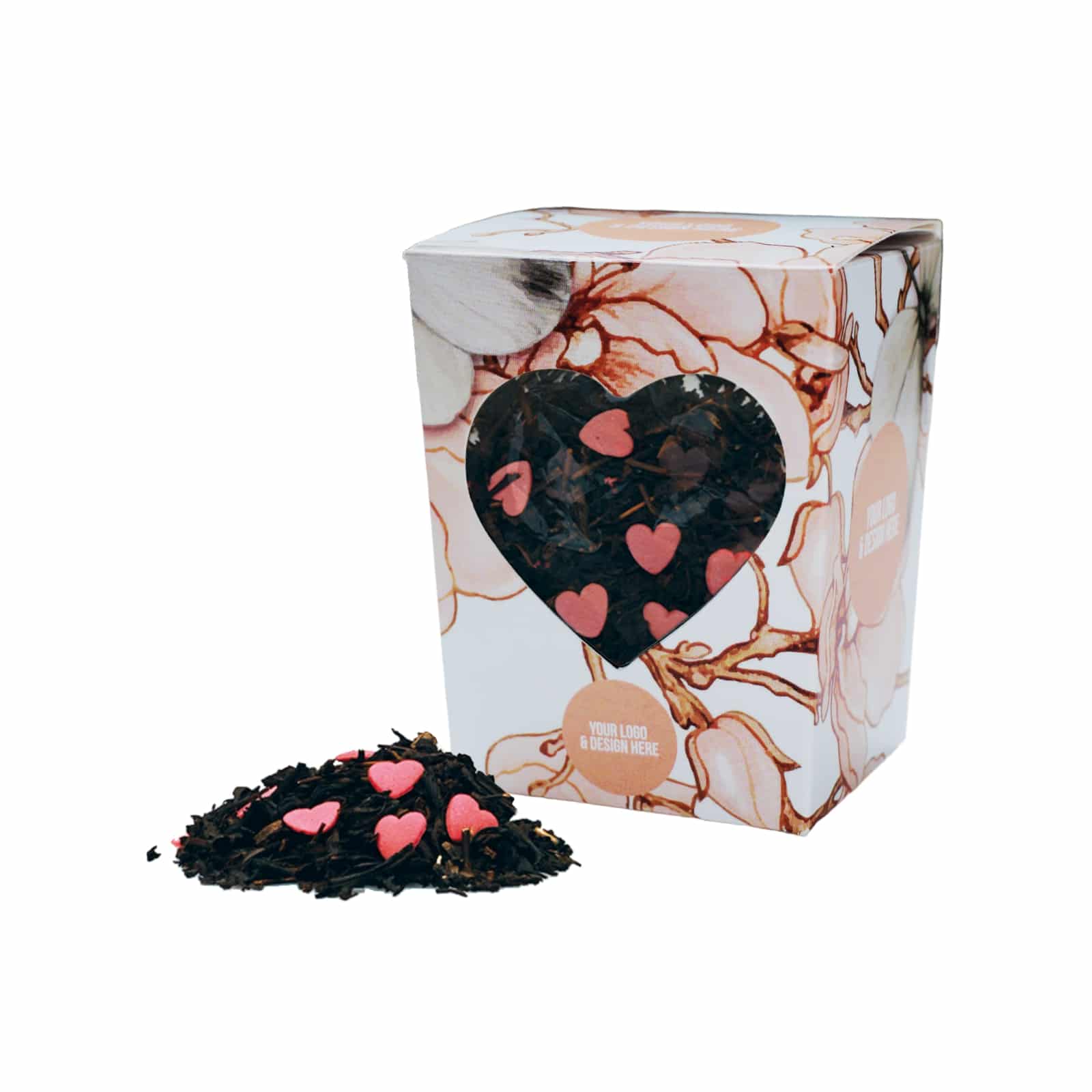
Handmade box with seasonal decoration contains: Pluton kraft coffee beans 100g, assortment of coffee pralines 80g, caramelized cookies with cinnamon 50g, handmade candy tin 35g. Submitted closed.
If you are interested, a price offer will be prepared for you by the merchant, who you can contact by email or by phone.
material: mix of materials
Color: various colors
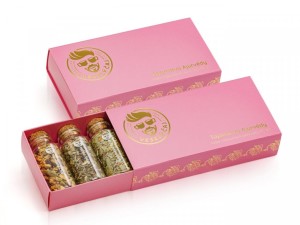
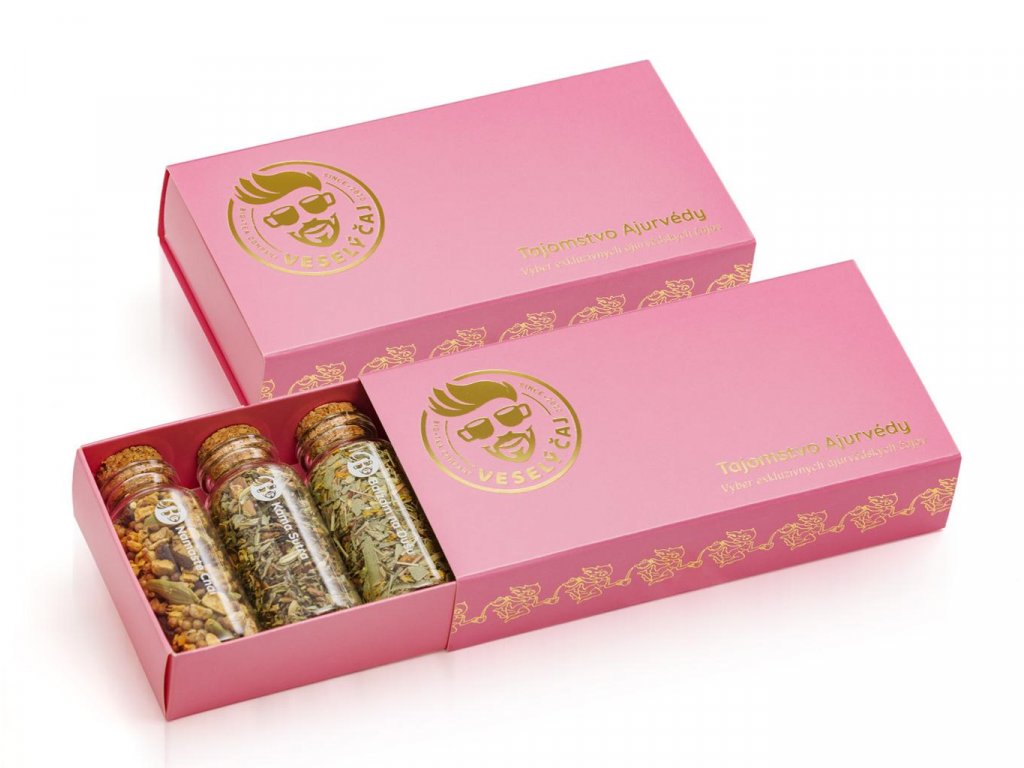
Secrets of Ayurveda tea gift set
The Secret of Ayurveda is a gift set of five loose herbal teas in a glass with a cork:
Namaste Chai: ginger, cardamom, coriander, turmeric, cloves, nutmeg.
Kama Sutra: cinnamon, fennel, ginger, rosemary, mint, cardamom, carob, damiana, licorice, sage, black pepper, cloves, smilax.
Balm for the soul: eucalyptus, lemongrass, apple, licorice, marigold.
Sixth sense: orange, cinnamon, fennel, licorice, cardamom, ginger, dandelion, angelica, cloves, juniper, pepper.
Lucky tea: rooibos, coriander, lemongrass, apple, chamomile, willow, ironweed, orange, ginger, hawthorn, cinnamon, blackberry, lemon balm, cardamom, passion fruit, cornflower, mallow, aroma.
Dimensions: 155 × 35 × 80 mm. Tea weight: 35 g
material: glass, cork
Color: pink
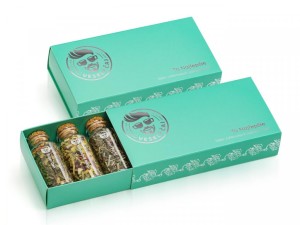
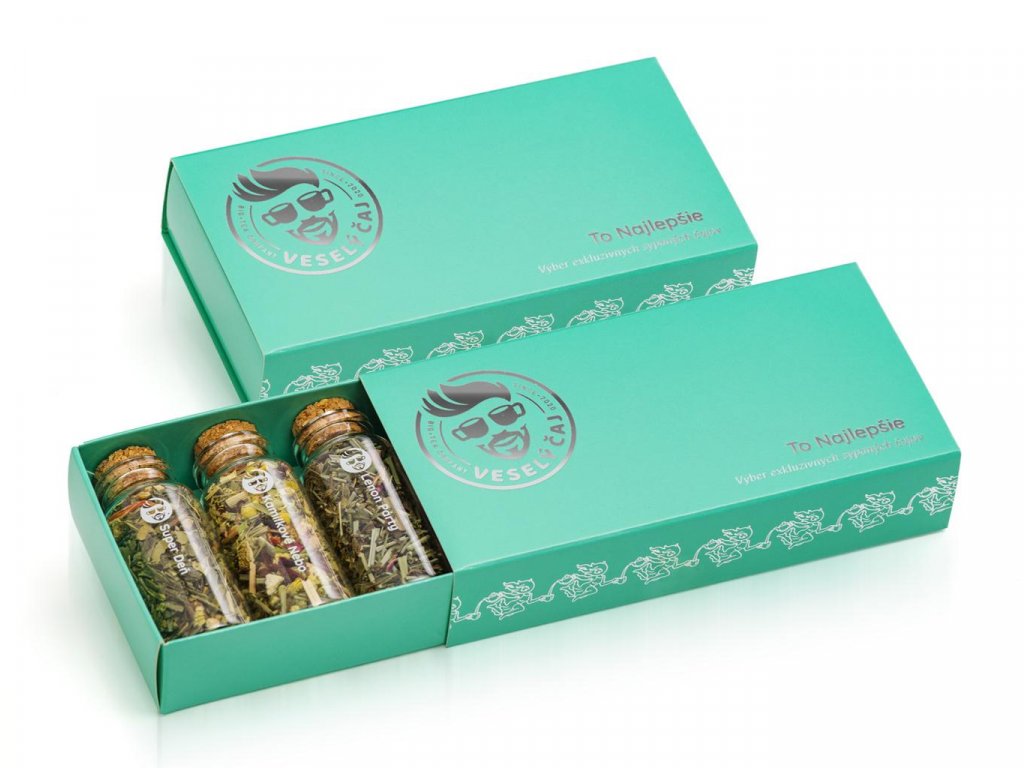
The Best Tea Gift Set
Contains loose teas in a glass with a cork:
Super Day: Green tea, lime peel, ginger, cinnamon, lemon myrtle, carrot pieces, licorice root, natural flavor.
Chamomile Heaven: Rosehip peels, orange peel, chamomile flower, lemongrass, hibiscus, mint, natural flavor.
Lenon Party: Lemongrass, hibiscus, spearmint, natural flavor.
Happy Fruit: Apple pieces, hibiscus, rosehip peels, elderberry, vanilla pieces, natural flavor.
Fruit Fairy: Apple pieces, carrot pieces, carrot slices, rosehip peels, sunflower flower, lemongrass, candied peach pieces, natural flavor.
Dimensions: 155 × 35 × 80 mm. Tea weight: 35 g
material: glass, cork
Color: green
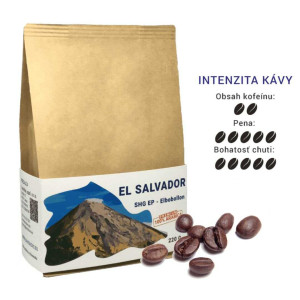
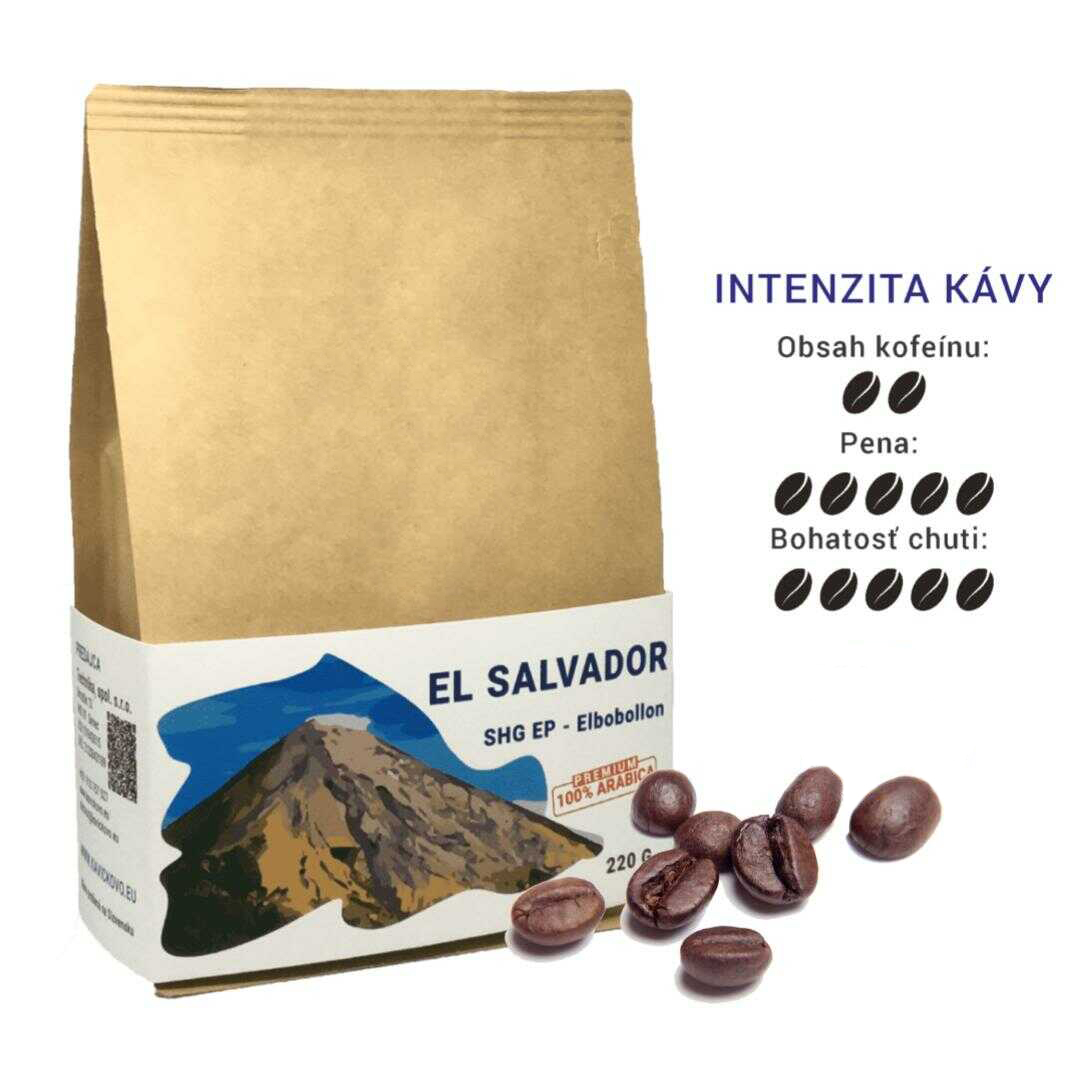
Central America can boast of really great and high-quality coffee, and El Salvador is one of them. It is adjacent to Guatemala and Honduras, but do not confuse their tastes, which are truly unique and this coffee will give you a sweet to caramel taste.
Type of coffee: 100% arabica
Roasting: medium
Packaging: 50g / 220g / 1kg
El Salvador SHG EP comes from plantations located in mountainous and volcanic areas at an altitude of 1350 meters above sea level. Coffee trees are grown in very favorable climatic and soil conditions. This hand-harvested coffee from El Salvador will provide a very sweet and clean flavor profile in the cup. Around 60% of the coffee produced comes from the Bourbon variety, which is characterized by an exceptionally clean, bright and sweet profile with strong nutty undertones. El Salvador is known for its excellent quality and is considered one of the most important types of coffee in the world market.
Flavor profile
The subtle but very noticeable acidity of these beans is an advantage and enhances the delicate character of Salvadoran coffee. Good body, fruity taste, wonderful sweetness and the great care that the growers take in preparing the coffee beans guarantee the high quality of this Arabica. In general, if you like the combination of chocolate tones in Central American coffees with other flavors and want to improve your taste buds by stimulating different taste points, El Salvador SHG EP - Elbobollon will be the ideal choice for you.
Cultivation, processing
The Central American Republic of Salvador has come a long way and is deservedly one of the largest coffee producers in the world. From the 1880s, gourmet coffee became the main export crop passing through indigo. Here we can find up to 7 different growing areas, where the plantations are located on the mountain slopes, made of ash and volcanic lava. Highly permeable soils rich in minerals represent fertile ground for vegetation and thus coffee trees. SHG - Strictly High Grown refers to coffee crops that have been grown exclusively at high altitude. The abbreviation EP -European Preparation means that it has been prepared with special care: defective fruits and other impurities are checked and removed mainly by hand. After harvesting, the coffee cherries are sorted, then naturally fermented, washed and dried on traditional clay terraces or raised beds. After reaching the desired moisture level, the fruits are stored in wooden silos or bags to rest until they are peeled. After shelling, the grain is cleaned and sorted again. This is followed by packaging and export.
How to prepare it
Thanks to its flavor profile, it is ideal for the most delicate mixtures. As a single-origin coffee, it tastes just as good if it is prepared in an espresso coffee machine, in a moka pot, filter coffee machine, aeropress or as a drip. But if you plan to prepare it in a French press, we recommend shortening the main preparation time a bit so that the resulting taste is more delicious. It also tastes fantastic with cream and sugar.
Color: various colors, brown, dark brown
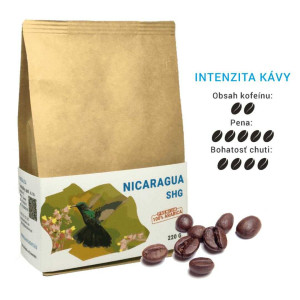
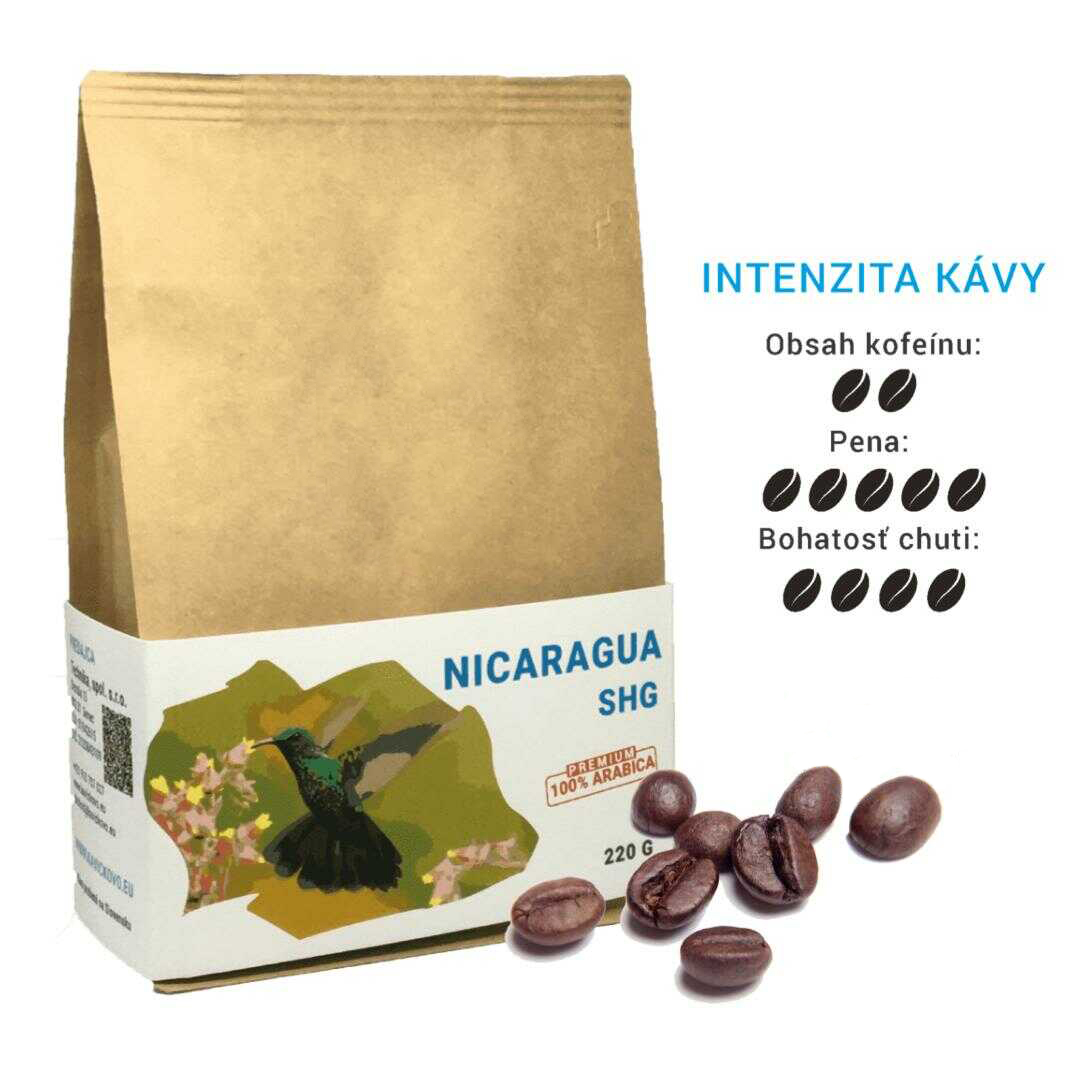
The sweet taste of coffee with a chocolate-vanilla aroma will get you out of bed, if only for its wonderful aroma. A mild citrus finish will tickle your taste buds and start your day.
Type of coffee: 100% arabica
Roasting: medium
Packaging: 50g / 220g / 1kg
Nicaragua SHG is an extremely smooth and highly balanced coffee. It is considered one of the most competitive coffees in the world, also thanks to the conditions in which it is grown. The abbreviation SHG stands for Strictly High Grown and describes coffees from plantations located between 1,500 and 2,000 meters above sea level. This altitude allows the grain to grow more slowly. Nicaragua SHG is slightly sweet, with citrus acidity and you can still smell chocolate on the very finish.
Flavor profile
Nicaragua SHG is characterized by a slightly honeyed taste, perfectly combined with peanuts and notes of black currants. Black tea and floral aromas harmonize the medium acidity. Coffees from these regions are characterized by milder acidity and a complex taste. Nicaraguan coffee is wet-dried, which helps fix the individual aroma and flavor components. After finishing the last sip, the chocolate lingers in your mouth for a long time.
Cultivation, processing
Nicaragua, which borders Costa Rica and Honduras, produces a range of coffees for the specialty coffee market. For example, the championship belongs to her for growing the largest coffee beans. It is the 12th coffee growing country in the world. Of the total volume, it is only 1.4% of the coffee grown in the world. More than 90% of its production is shipped. Since the beginning of cultivation, which began in the 19th century, its growers have gone through a turbulent period. Coffee, affected by war, hurricanes, export bans, is finally regaining its popularity in recent years. The altitude at which it is grown adds to its uniqueness. The very slow growth of the fruits results in a much denser and better quality grain at harvest time. Coffee cherries are harvested by hand from sunrise. The coffee is left to ferment aerobically, without water, overnight for about 12-18 hours, depending on the altitude of the farm and the surrounding conditions. As soon as the coffee reaches the point of fermentation, it is thoroughly washed and, if space permits, left for a few hours on sheets under the sun. If there is not enough time for this, the coffee is immediately packed and delivered to the purchasing agency. Coffee in Nicaragua is mainly grown by small farmers. With their approach to cultivation, the use of traditional technologies for drying, and their strict rejection of GMO policy, they are gaining more and more supporters.
How to prepare it
As with any good rounded coffee, there are many brewing options available. Nicaraguan coffee is an excellent choice for a long black americano or various espresso drinks, where you don't feel the acidity when drinking. This will become apparent gradually as the coffee cools. This type of coffee is a great choice for automatic coffee machines. If you want to improve its taste, try coarser grinding of the grains.
Color: various colors, brown, dark brown
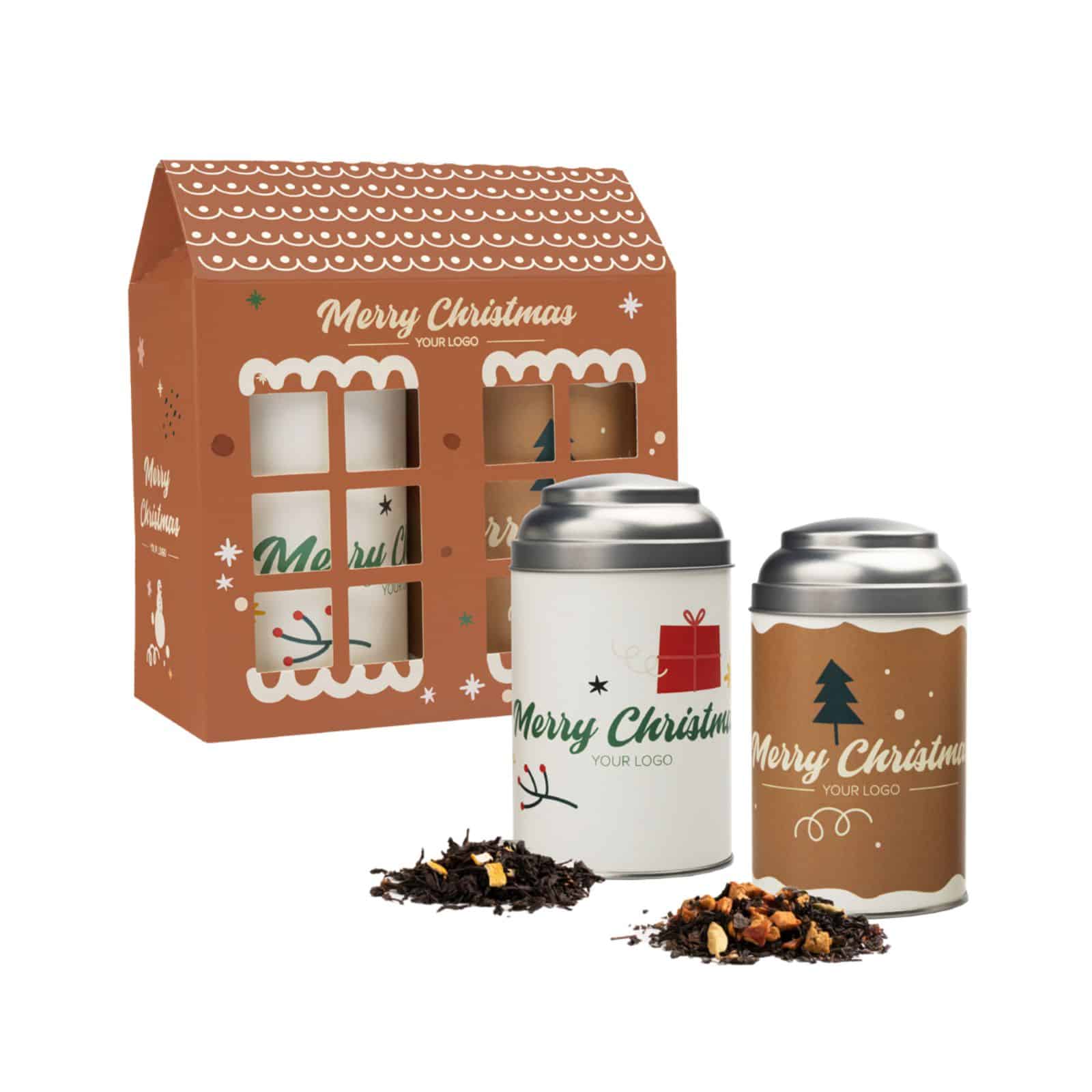
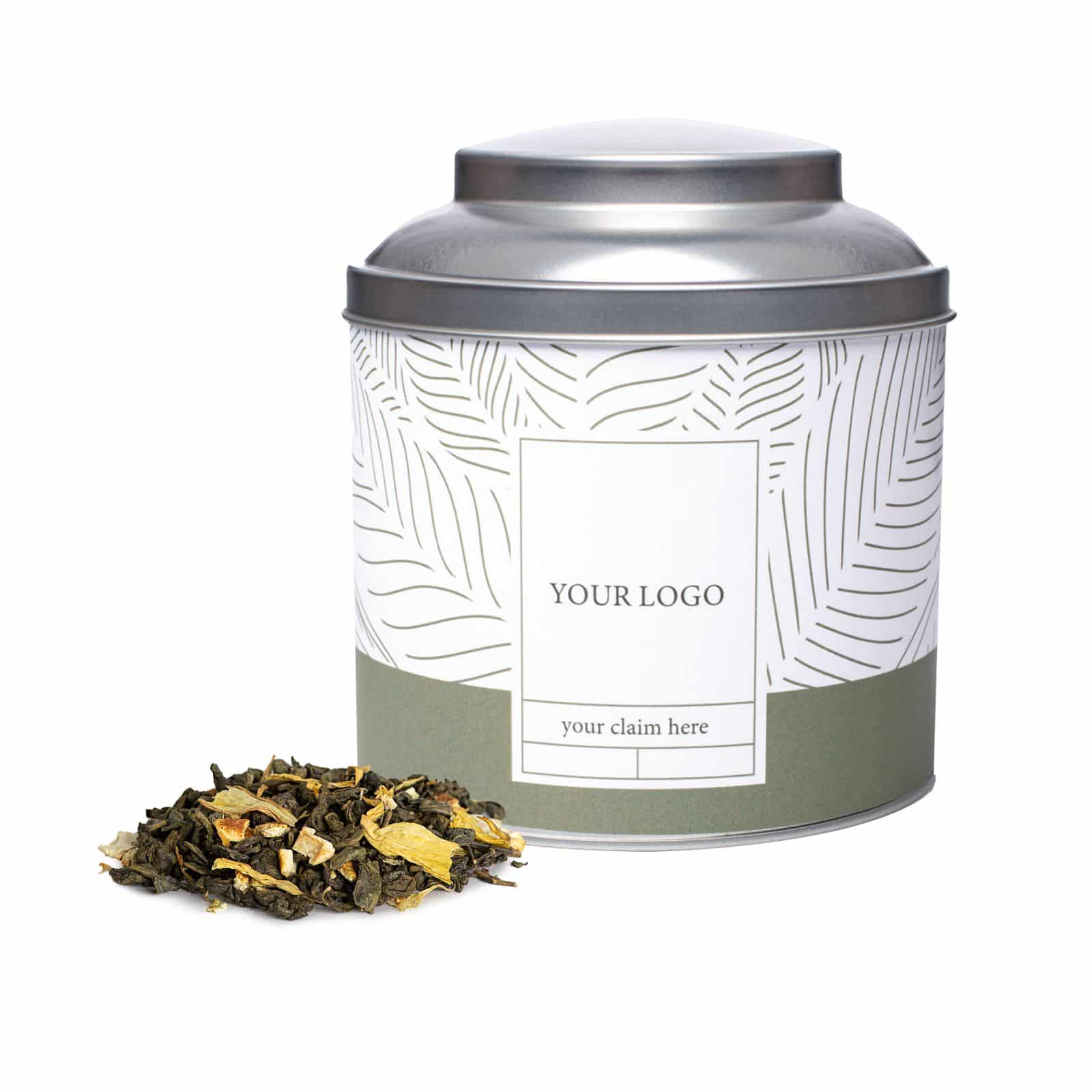
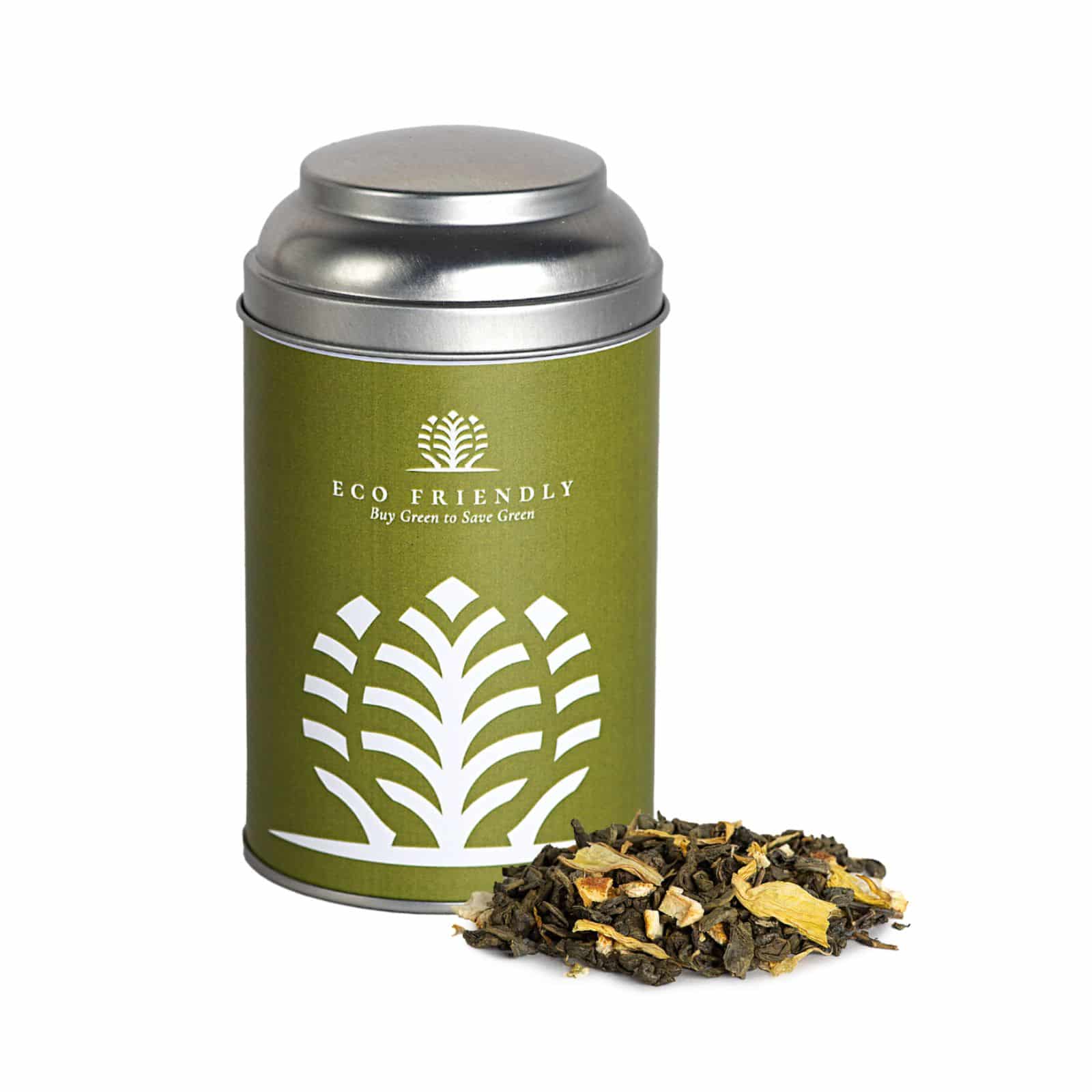
The TEA HOUSE tea set consists of two cans of tea in a tin. You have a choice of basic flavors or a Christmas version of teas that will create the right Christmas atmosphere in winter. The product packaging is standard in white paper. Optional in kraft paper., 100% biodegradable packaging.
Basic flavors:
Forest fruits: hibiscus flakes and fruits: raspberry, chokeberry, hawthorn, elderberry, blackthorn and rowan,
Orange dream: Earl Gray tea with orange peel,
Sunny Garden: Gunpowder green tea with lemon peel, orange peel, pineapple, sunflower petals, marigold petals
Christmas flavors:
Christmas Joy: black leaf tea with rosehip, orange and cloves,
Winter's Tale: black leaf tea with apple, cardamom and red pepper
Shelf life: 12 months
Minimum order: 50 pieces
material: metal, paper, 100% biodegradable packaging, foil
Color: various colors
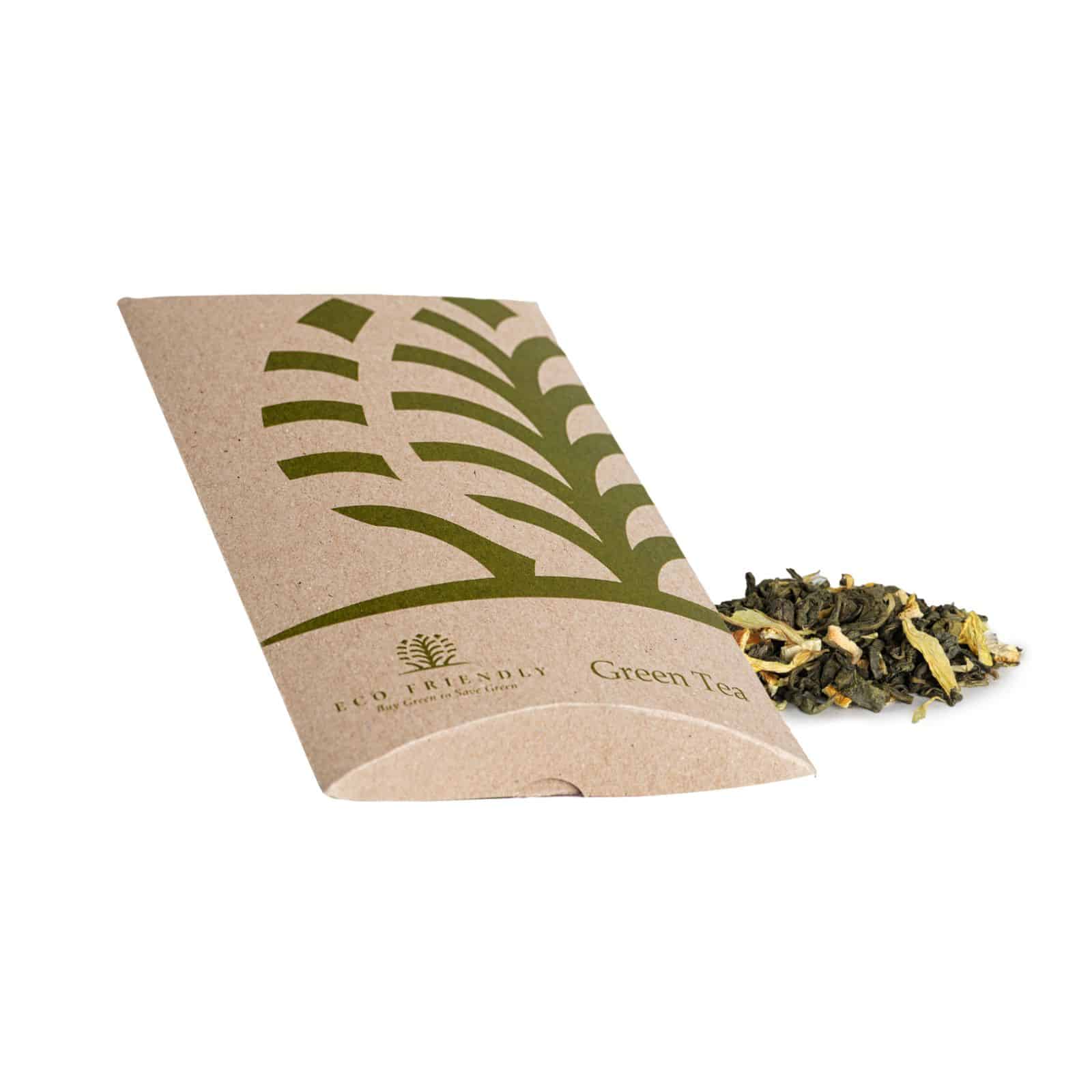
Tea in a paper bag 30g. You can choose between regular basic flavors or a Christmas flavor that creates the right Christmas atmosphere. You can order this product in kraft paper. By default, the packaging is made of white paper.
Basic flavors:
Forest fruits: hibiscus flakes and fruits: raspberry, chokeberry, hawthorn, elderberry, blackthorn and rowan,
Orange dream: Earl Gray tea with orange peel,
Sunny Garden: Gunpowder green tea with lemon peel, orange peel, pineapple, sunflower petals, marigold petals
Christmas flavors:
Winter's Tale: black leaf tea with apple, cardamom and red pepper
Shelf life: 12 months
Minimum order: 100 pieces
material: paper, kraft paper, 100% biodegradable packaging
Color: various colors
Tea in a can in three flavors 100g
Flavors:
Forest fruits: hibiscus flakes and fruits: raspberry, chokeberry, hawthorn, elderberry, blackthorn and rowan,
Sunny Garden: Gunpowder green tea with lemon peel, orange peel, pineapple, sunflower petals, marigold petals or,
Orange Dream: Earl Gray tea with orange peel
Shelf life: 12 months
Minimum order: 100 pieces
material: metal, 100% biodegradable packaging, foil
Color: various colors
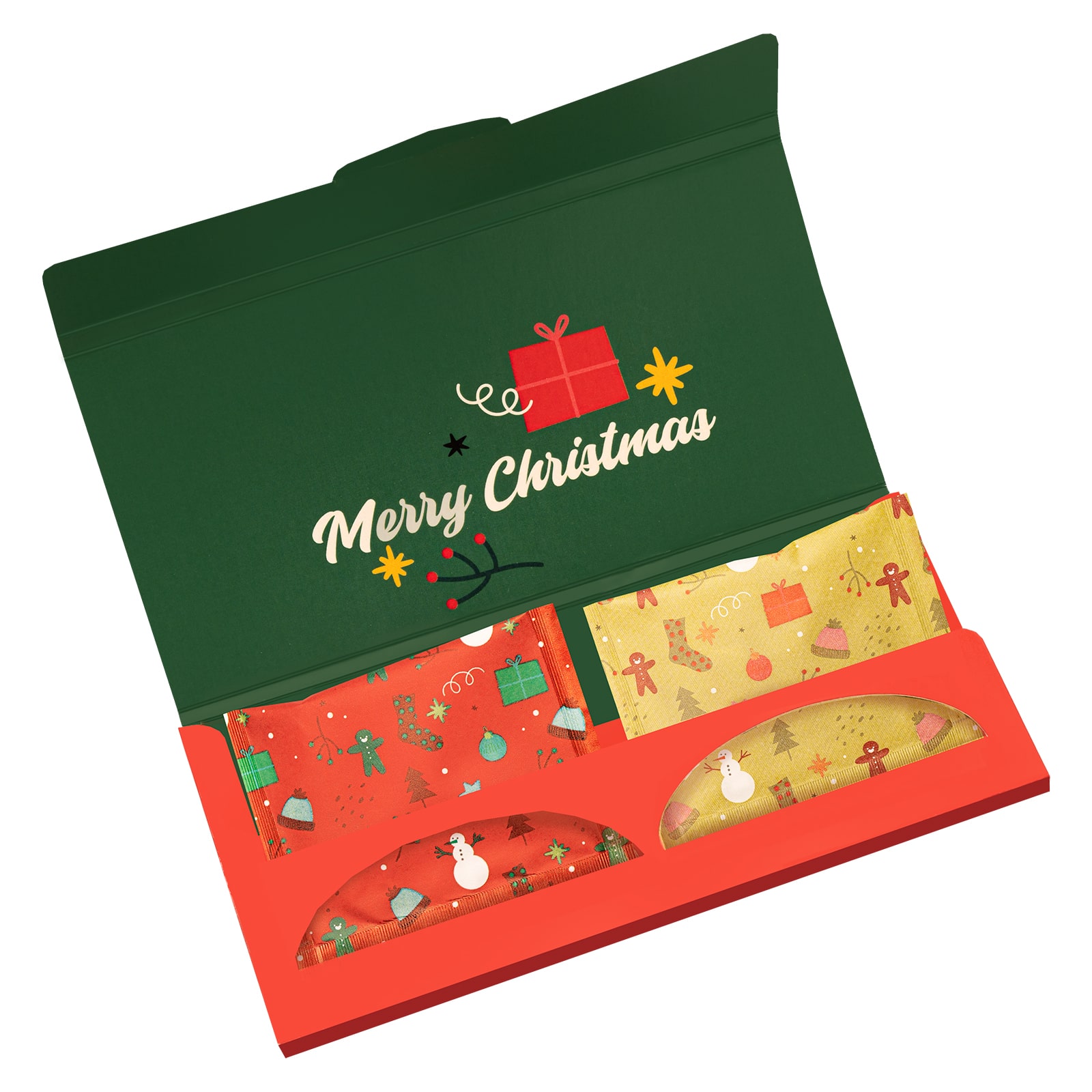
Envelope with two tea bags. To choose from the basic teas or the Christmas version mixed for the perfect Christmas atmosphere.
Common flavors: black and green tea
Christmas version: black tea with raspberry and lemon peel and black tea with ginger, cardamom and orange peel
Shelf life: 12 months
Minimum order: 250 pieces
material: paper
Color: various colors
Loose fruit tea iTEA
iTEA is a tea created for all IT enthusiasts who need to stay fit and in a good mood. Ingredients: apple, hibiscus, bean husks, lemongrass, stevia, fennel, red and black currants, cornflower, lavender, rose, valerian root, carrot and blueberry concentrate, tamarind, hemp seeds, natural aroma. Preparation: 1 teaspoon per 2dcl, 100°C, 8–10min. Weight: 60 g
Color: various colors
Tea in a can in various flavors 50g
Flavors:
Forest fruits: hibiscus flakes and fruits: raspberry, chokeberry, hawthorn, elderberry, blackthorn and rowan,
Sunny Garden: Gunpowder green tea with lemon peel, orange peel, pineapple, sunflower petals, marigold petals or,
Orange Dream: Earl Gray tea with orange peel
Shelf life: 12 months
Minimum order: 100 pieces
material: metal, 100% biodegradable packaging, foil
Color: various colors
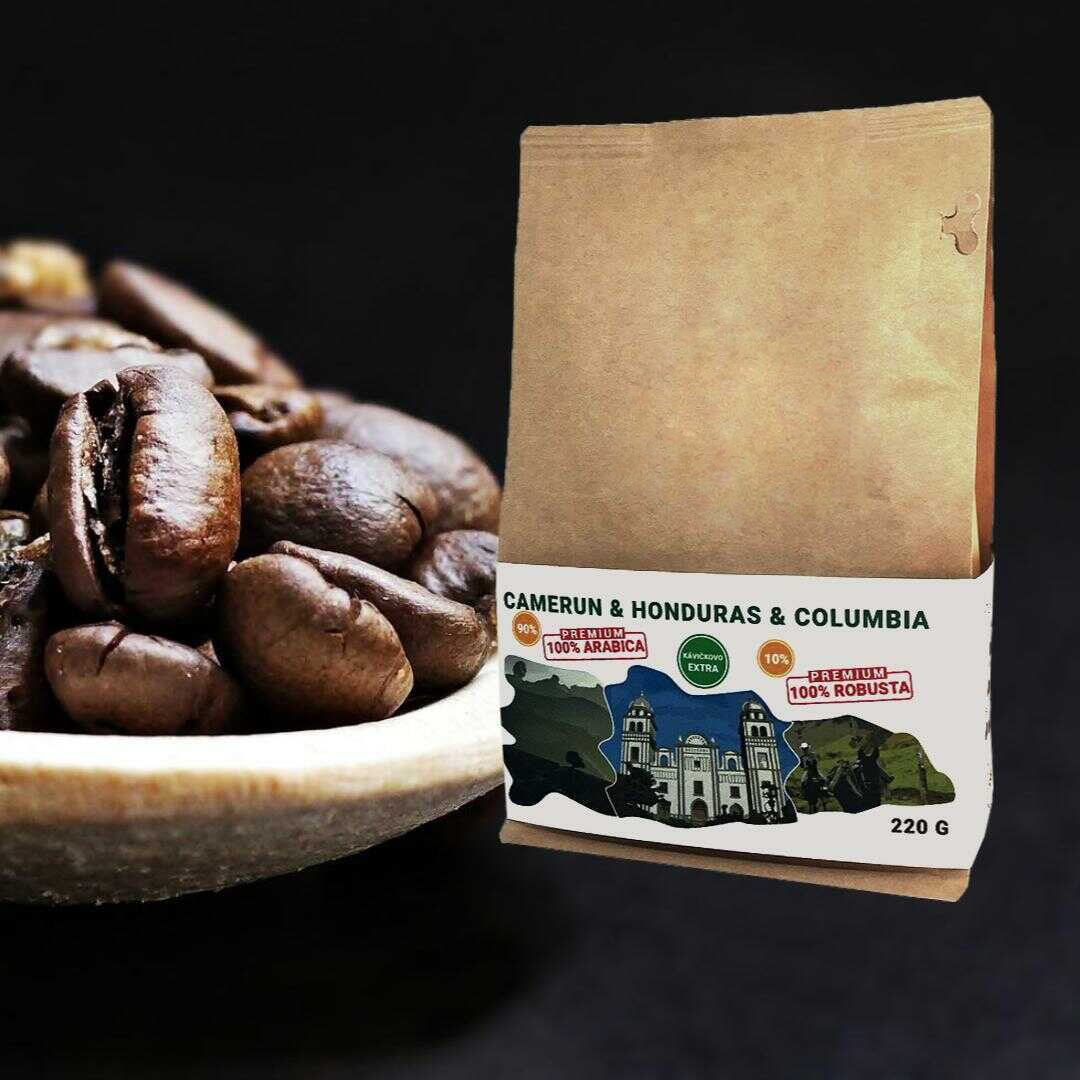
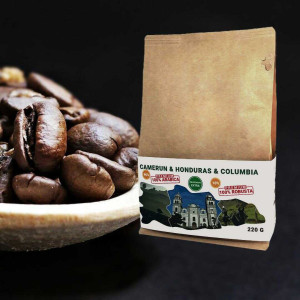
We all sometimes want to feel different, better, more beautiful. Treat yourself to more and be extra. We designed this type of coffee, which is one of our original works, exactly for these moments. And it can easily be part of your daily rituals, when the specially blended mixture of three coffees will clear your mind and bring you something extra. The flavor profile of different countries and the combination of Arabica and Robusta. This is our Kávičkovo Extra coffee. Sweet, at the end nicely citrusy with the necessary amount of energy to give you the strength to be extra.
A mixture of Cameroon, Honduras and Columbia coffees was mixed into one unique coffee called EXTRA
Ratio: 90% arabica and 10% robusta
Roasting type: medium roasting
Flavor profile
The creation of this unique mixture was preceded by a series of tests where we tried to balance the individual proportions of the grains in order to achieve the desired taste. Arabica is represented here through Colombia and Honduras. Both offer grains that have a sweet taste. The common denominator of sweetness is caramel. In addition, the taste touches chocolate and fruit. On the contrary, robusta, represented in this case by Cameroon, brings earthy tones and the necessary strength in the form of a high caffeine content.
Cultivation, processing
All mixed coffees are also unique due to the fact that their fruits grow on different soil bases, are grown in different climates and, last but not least, ripen at different altitudes. This brings the necessary variety that everyone expects from this type of coffee. Of course, different methods of drying coffee fruits also contribute to this.
Cameroon, Honduras and Columbia use the natural way - dry drying, with minor variations. Each grower, farm or cooperative is also unique. It has its own procedures and brings its own knowledge to the drying process. Therefore, it is not possible to clearly describe this process. After harvesting, the coffee cherries are picked, washed, and in some cases left to ferment. They are cleaned of excess slime and pulp and the drying process follows. It is based on these 3 types of coffee
same grain - drying in the sun - on concrete terraces or on the ground, from where the coffee can absorb and transfer the earthy tones to the taste.
Individual coffees have many specifics, which makes them popular among our coffee makers. Columbia beans stand out at first glance with their appearance. They are among the larger coffee beans with a typical cinnamon color. Honduras, on the other hand, offers strength in the form of hard and dense grains. They obtain this through slow growth and ripening at high altitudes up to 1,6000 meters above sea level. In addition, coffee from Honduras can be proud of its fair trade approach to both people and nature. The last Cameroon adds earthiness and fullness of tones to each selected taste, on which the sweetness stands out much more.
How to prepare it
The individual coffees from this trio taste great even without putting them together like this. But we think there is strength and diversity in unity, and we want to bring you something extra. You will also enjoy this feeling if you prepare a classic espresso. In the usual ratio of 7 to 9 grams of coffee to 50 - 150 ml of water, each as you like it. Do not forget that cooling increases acidity. This type of coffee is also suitable for drippers. Here, you need to pay attention to the fineness of the grinding, so that the taste stands out to a sufficient extent.
The price is shown without the sleeve.
Color: various colors, brown, dark brown
Mango Sunshine fruit tea
Make your day more colorful with the perfect taste of tropical mango. After pouring it, your nose will be tickled by the pleasant smell of mango, and the taste buds will be fine-tuned by the citrus finish.
Ingredients: candied mango, candied pineapple, pieces of orange, pieces of strawberries, calendula flower, dyer's morsel, vitamin C, E, B6, B1, B12, folic acid, biotin and natural aroma
Instructions for preparation: put 1 teaspoon of tea into a 1.5-2 dl cup and cover with boiling water. Leave to infuse for 8-10 minutes and then drain.
Nutritional values per 100ml: Energy value: 13 kJ / 3kcal, Fats: 0.1 of which saturated: 0.1, Carbohydrates: 0.7 of which sugars: 0.6, Protein: 0.1, Salt: 0.01
The tea is packed in brown paper bags like in the gallery. Possibility to put a sticker with your own design and logo on it.
Color: various colors
Get on the express train of amazing sweet taste with a slight sour taste that will refresh your day. The tea contains a fruit mixture of kiwi, apple, gooseberry, currant and pineapple. You can enjoy it hot or iced during the summer.
Ingredients: gooseberries, pineapple, granulated lemon, lemon peel, black currants, apple pieces, candied pineapple, tartaric acid and natural flavoring
Instructions for preparation: put 1 teaspoon of tea into a 1.5-2 dl cup and cover with boiling water. Leave to infuse for 8-10 minutes and then drain.
Nutritional values per 100ml: Energy value: 21 kJ / 5 kcal, Fats: < 0.5 g of which saturated: < 0.1 g, Carbohydrates: 1.3 g of which sugars: 1.1 g Proteins: < 0.5 g Salt: < 0.01 g
The tea is packed in brown paper bags like in the gallery. Possibility to put a sticker with your own design and logo on it.
Color: various colors
Refreshing chopped green tea in BIO quality, which will refresh your body with its mild bitter taste, the power of the natural aroma will strengthen your spirit, and the color will brighten your day. The tickets were picked in the southern part of Japan. You can drink this tea hot or iced with a slice of lemon or lime.
Ingredients: 100% BIO Japanese green tea - Sencha
Instructions for preparation: put 1 teaspoon of tea into a 1.5-2 dl cup and fill it with 70-80°C hot water. Leave to infuse for 2-3 minutes and then drain.
The tea is packed in brown paper bags like in the gallery. Possibility to put a sticker with your own design and logo on it.
Color: various colors